LOGISTICSOPS PLATFORM
BGMS Union is a transport operations management platform that digitizes vehicle fleet distribution, serial number tracking, and token generation for mining and logistics companies — replacing paper token slips with a single auditable system.
- 100%
- Operations digitized
- 60%
- Shorter vehicle queues
- 10
- Operational modules
- 0
- Lost or duplicate records
Paper.
A whole mining gate's logistics ran on token slips and a handwritten queue.
Every vehicle got a paper token, every serial number was written by hand, and the day's totals were rebuilt in Excel each evening. If a slip went missing, a truck waited. If two drivers disagreed on their place in line, no record could settle it.
What landed
on my desk.
A two-person build that I led. I owned it end to end — system design, the backend, the reports engine, UX, and the client relationship — and worked alongside one front-end engineer who built the admin UI to the specs and designs I set.
System design
Architecture, data model, and the queue/token allocation logic at the core of the gate.
Backend & APIs
Node/Express services, MySQL schema, OTP auth, and the role-permission matrix.
UX & admin tooling
Information architecture, operator flows, and the dashboard every gate runs on.
Team lead
Planned the work, reviewed every PR, and set specs for the front-end build.
Client partnership
Discovery, scoping, demos, and launch — a direct line to operations.
10 modules.
one gate.
From the vehicle queue to tokens, serial reports, parties, and compliance controls — every part of the gate, in one platform. Below, a guided scroll through each module.
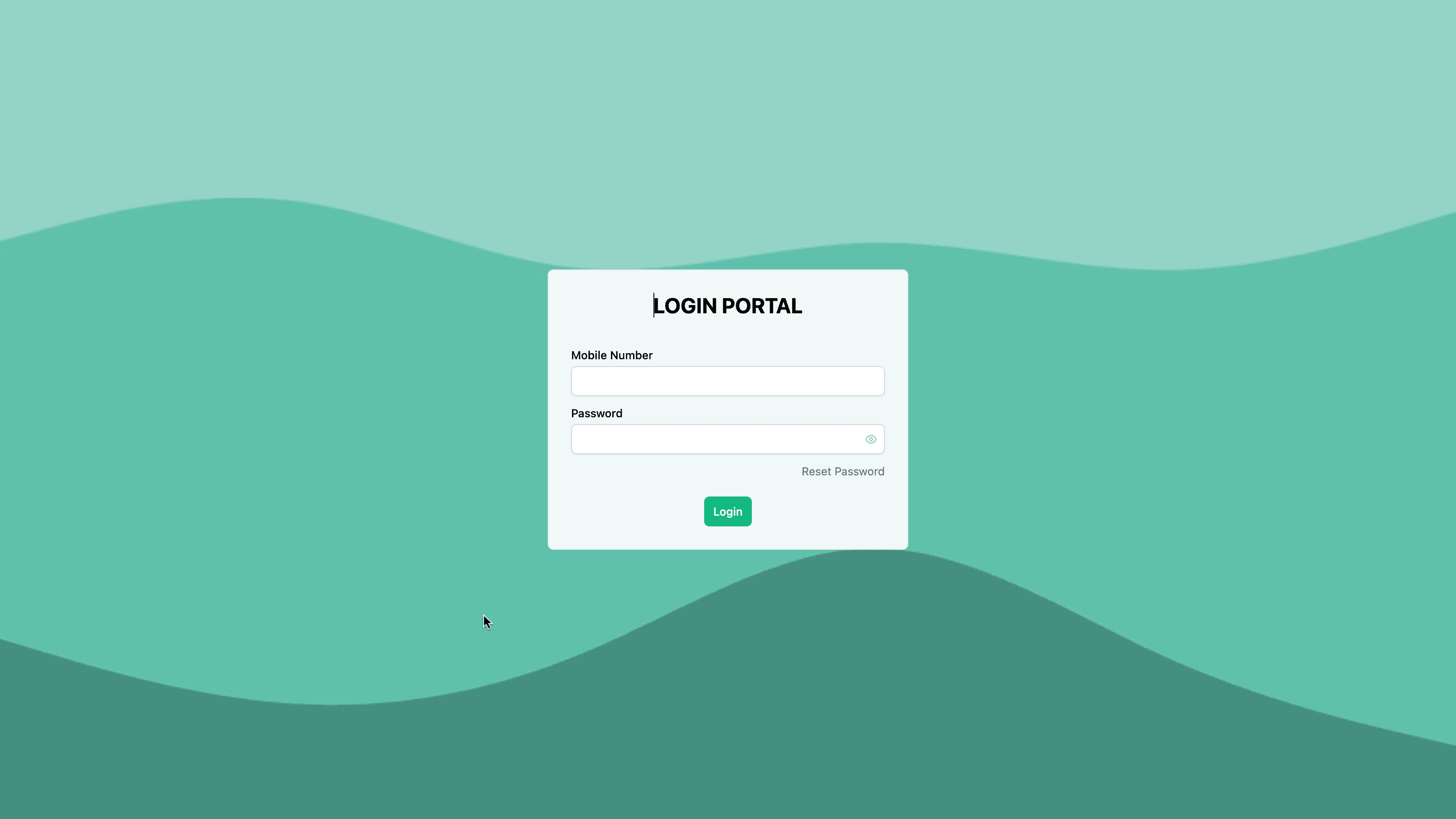
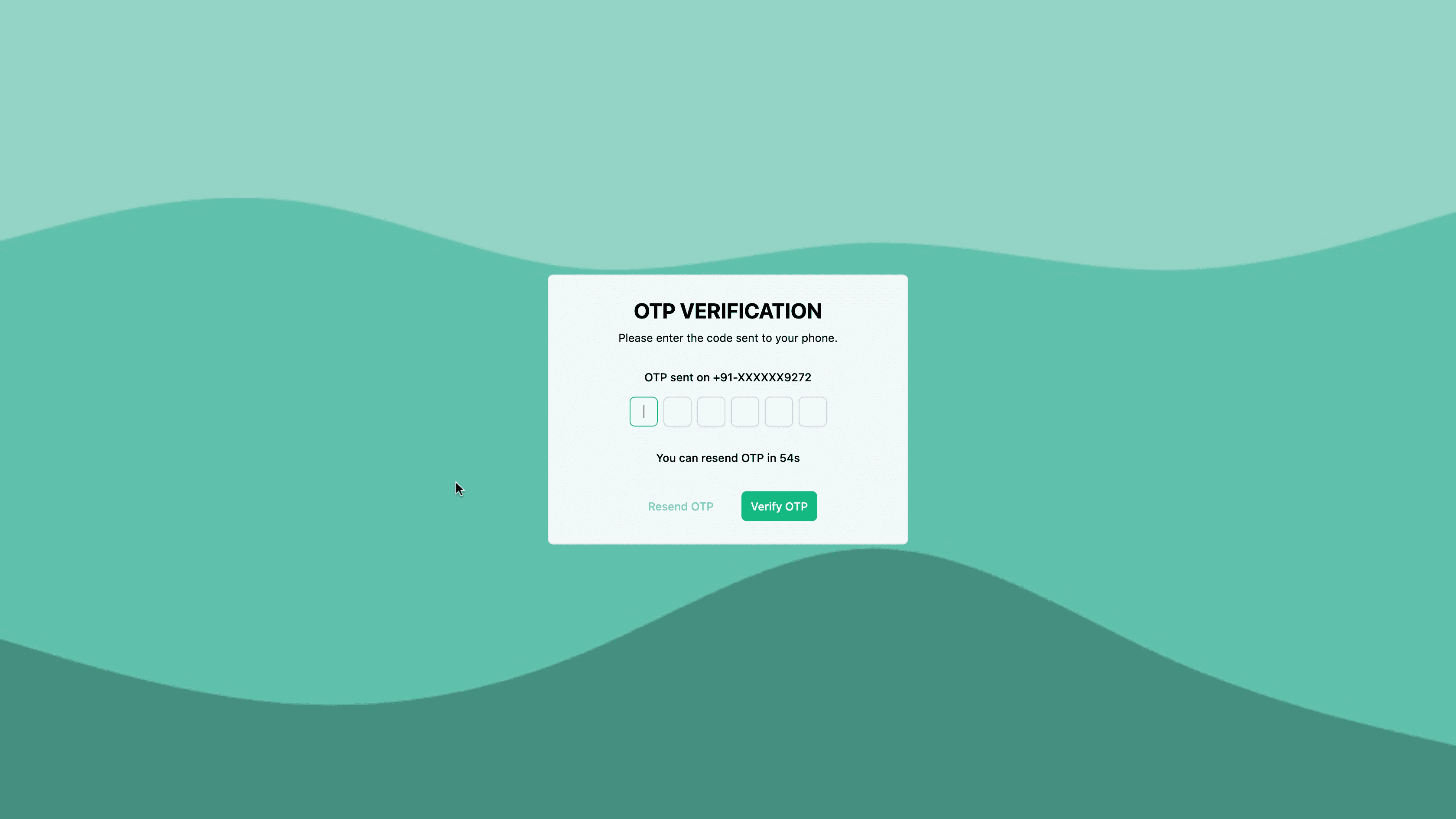
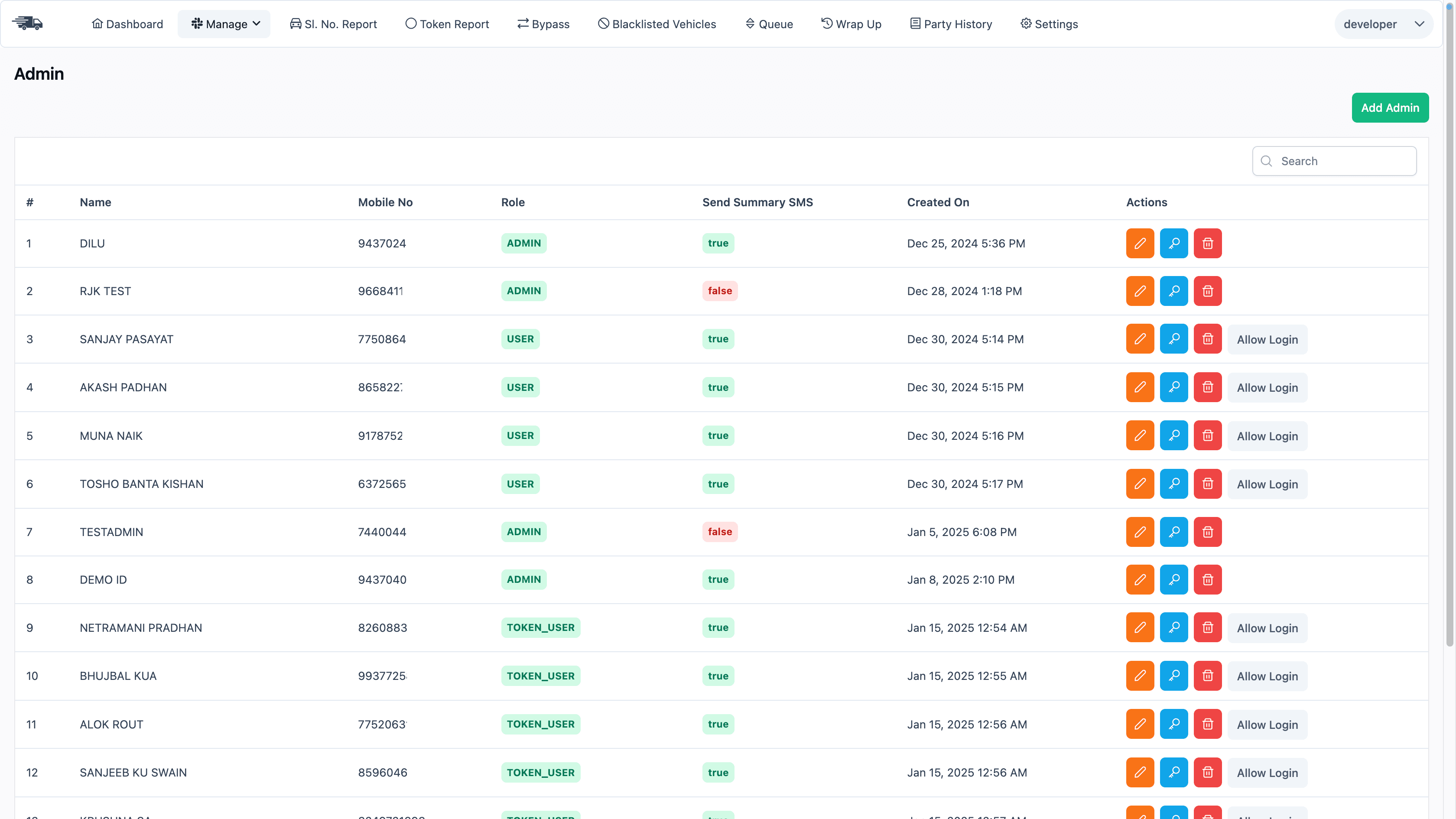
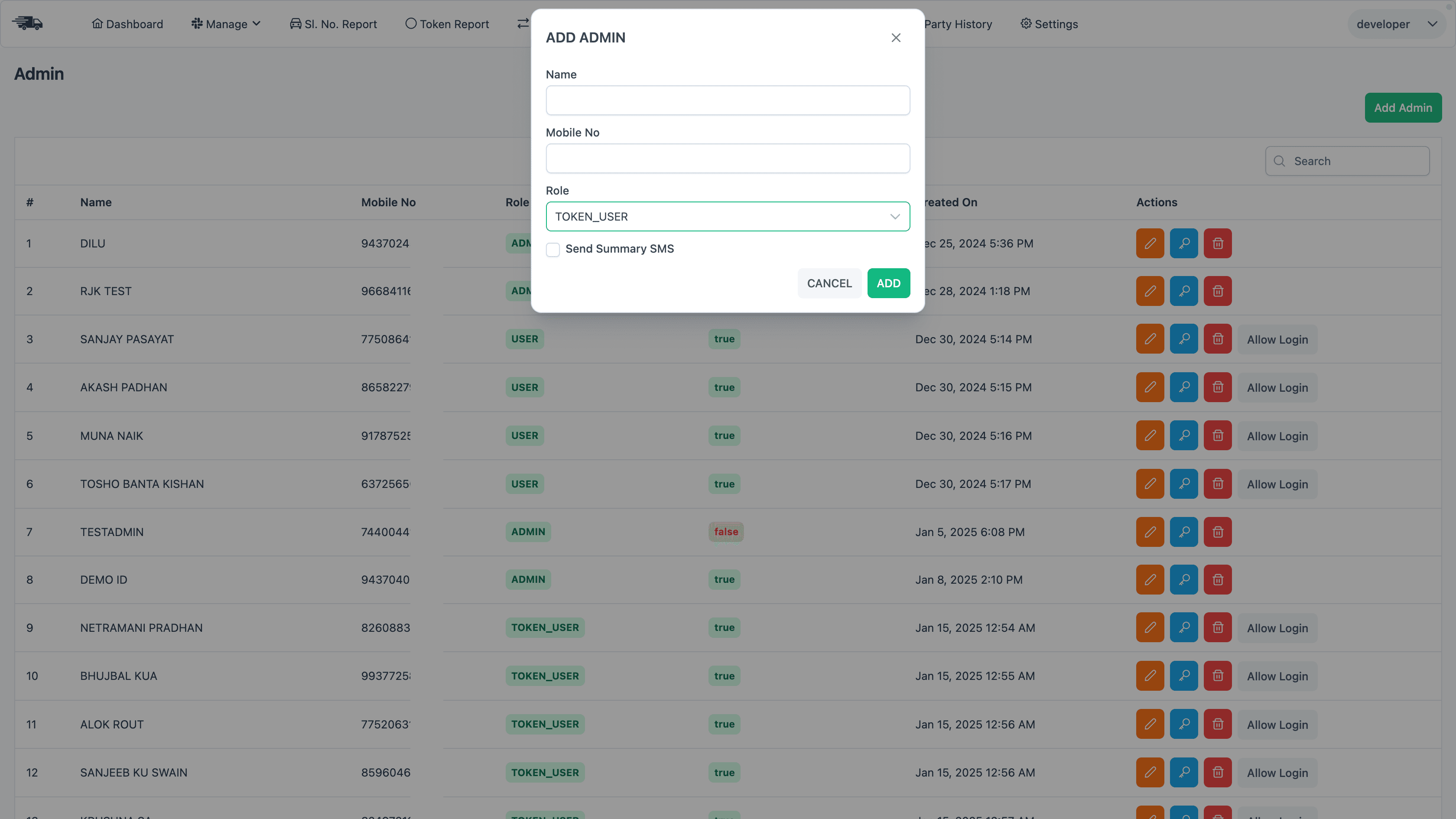
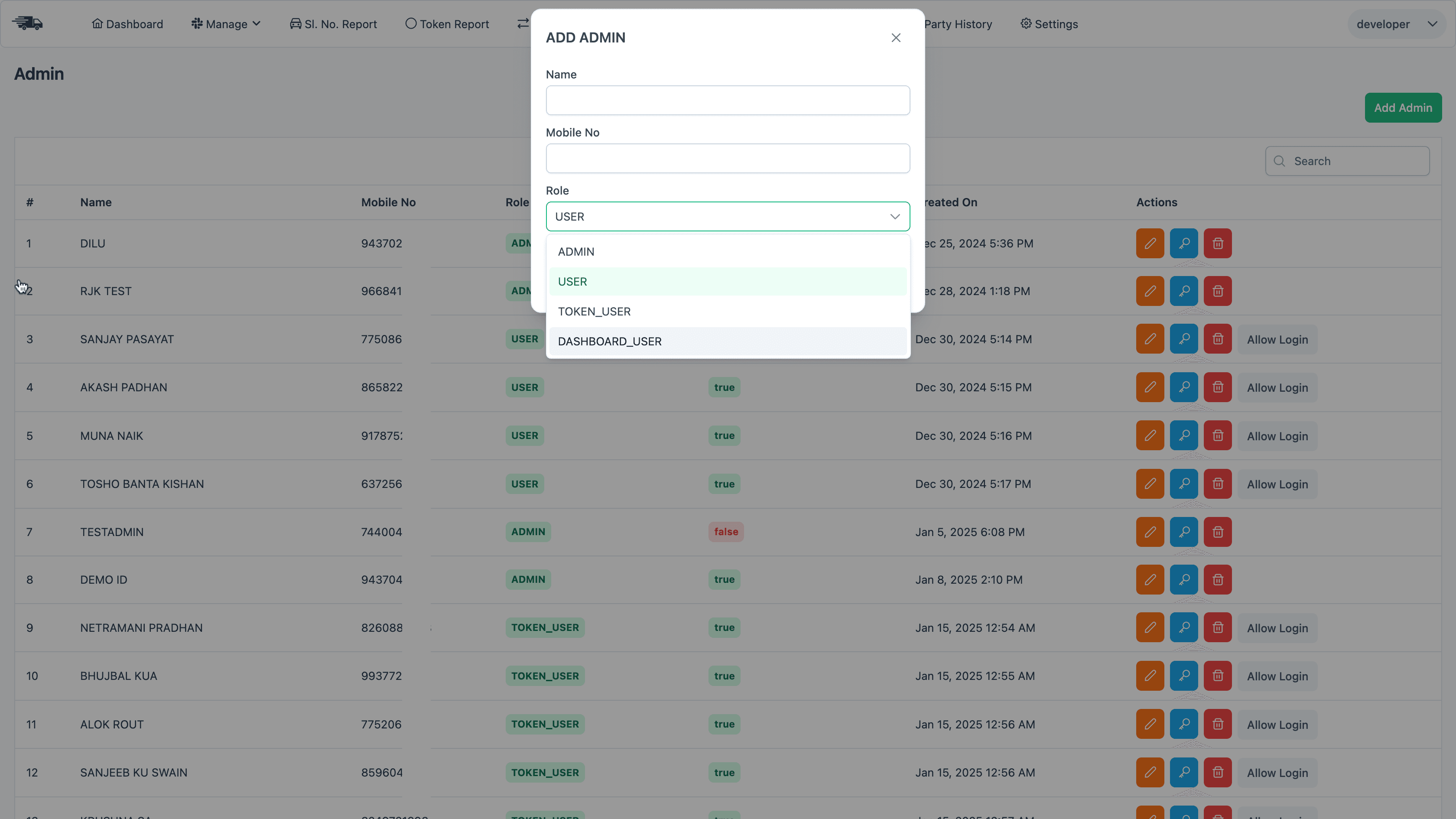
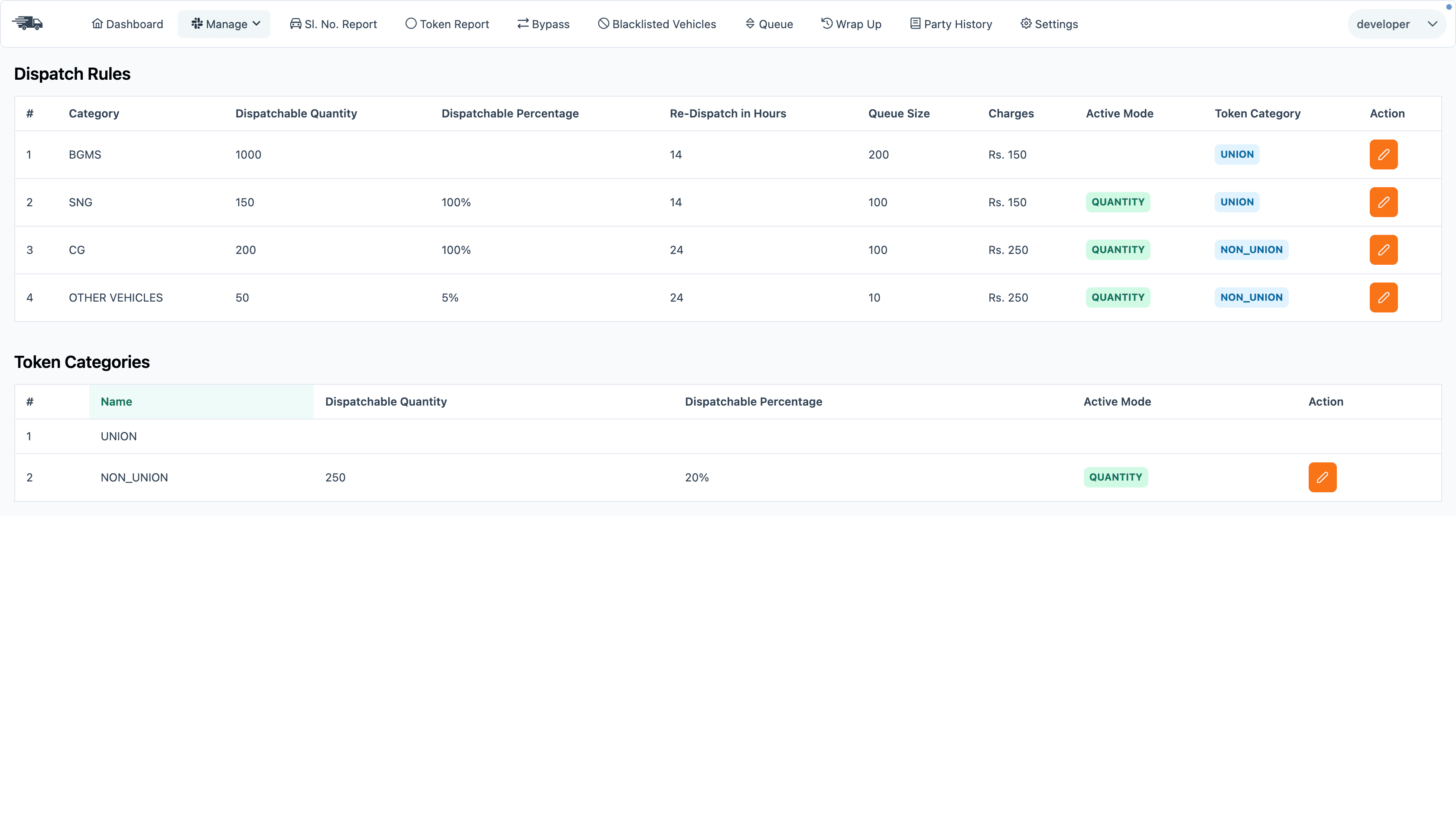
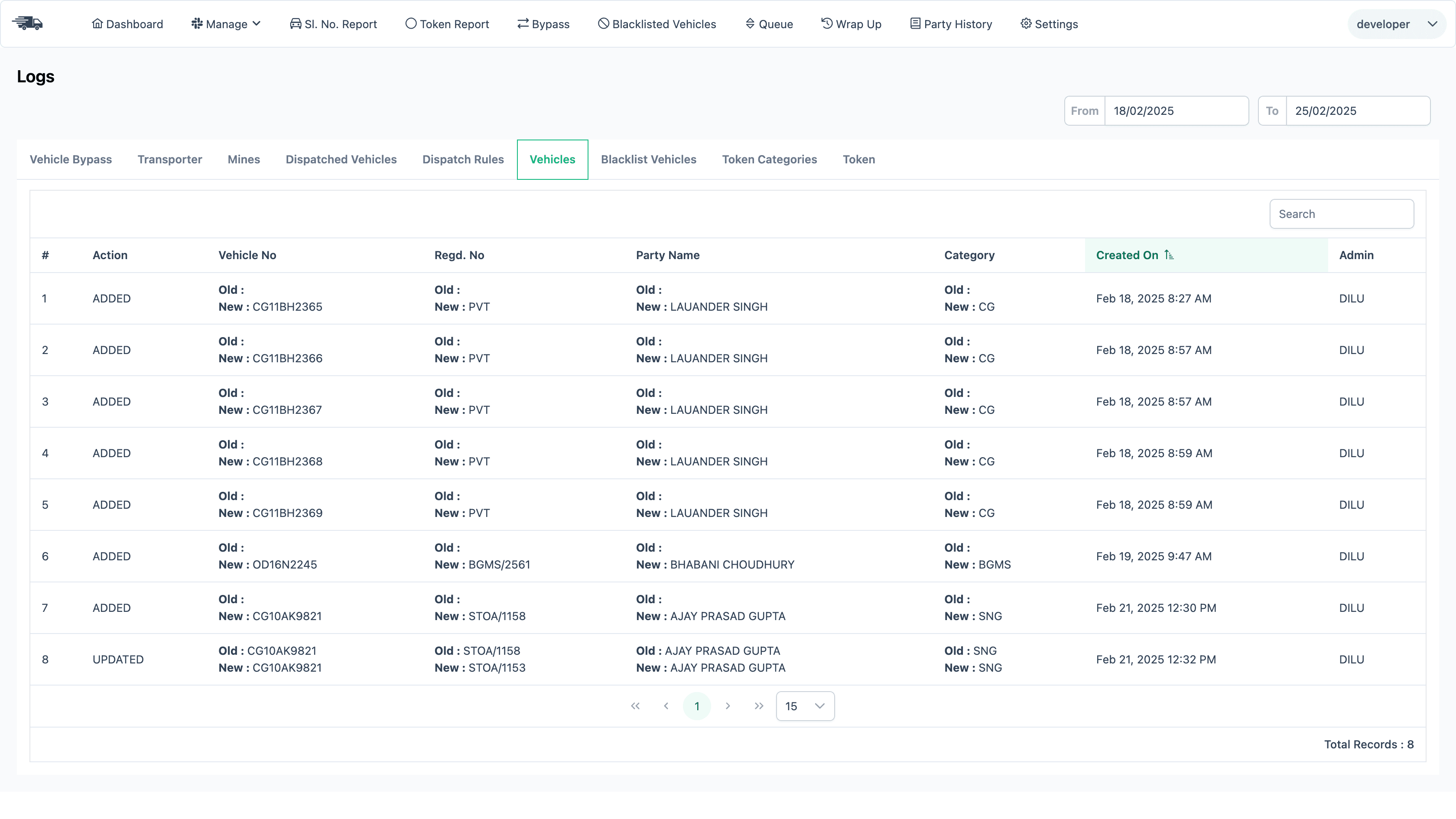
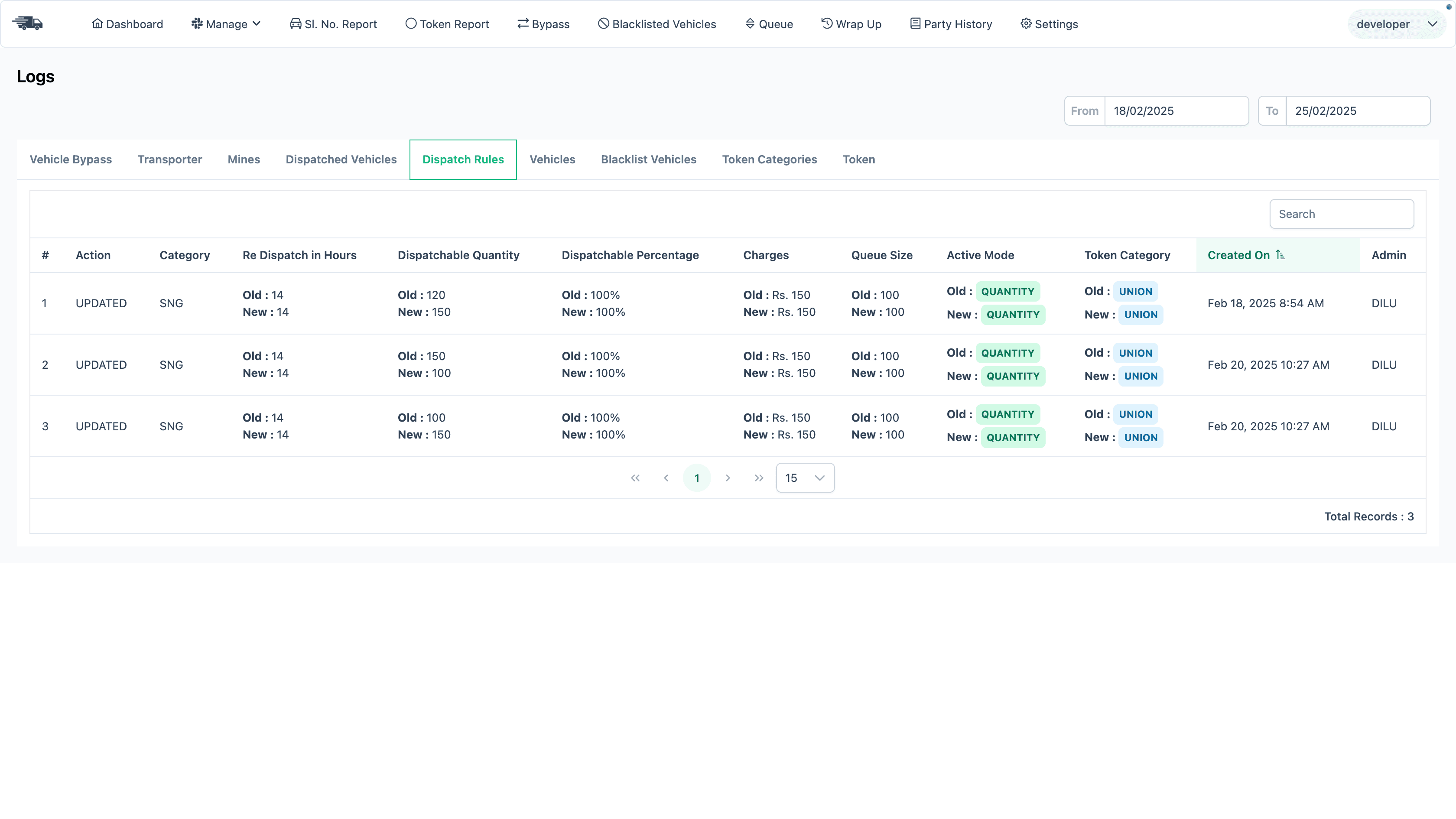
Multi-level Admin Management
Controls platform access with OTP-secured login and role-based permissions, while logging every admin action for full accountability.
8 screens
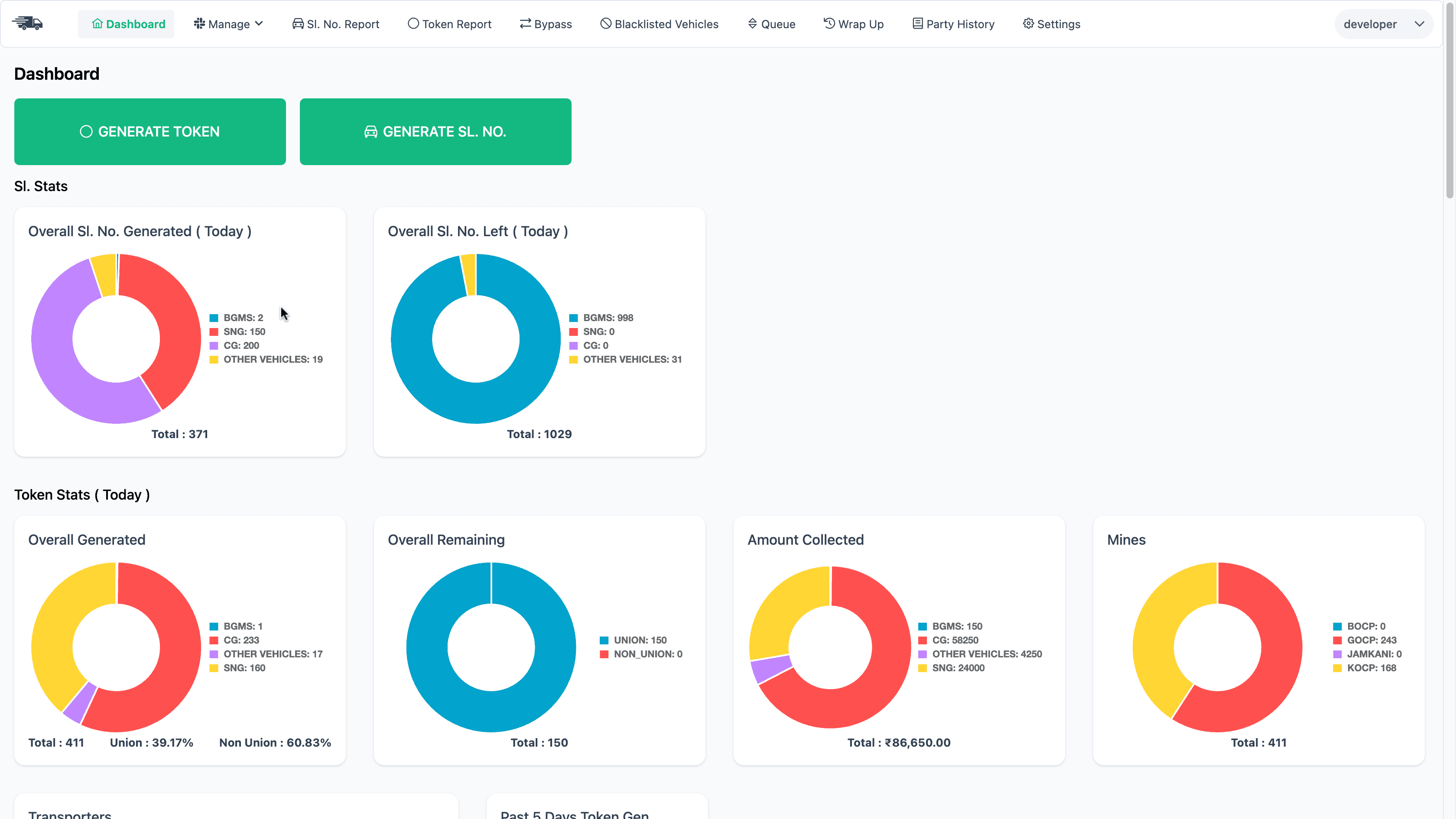
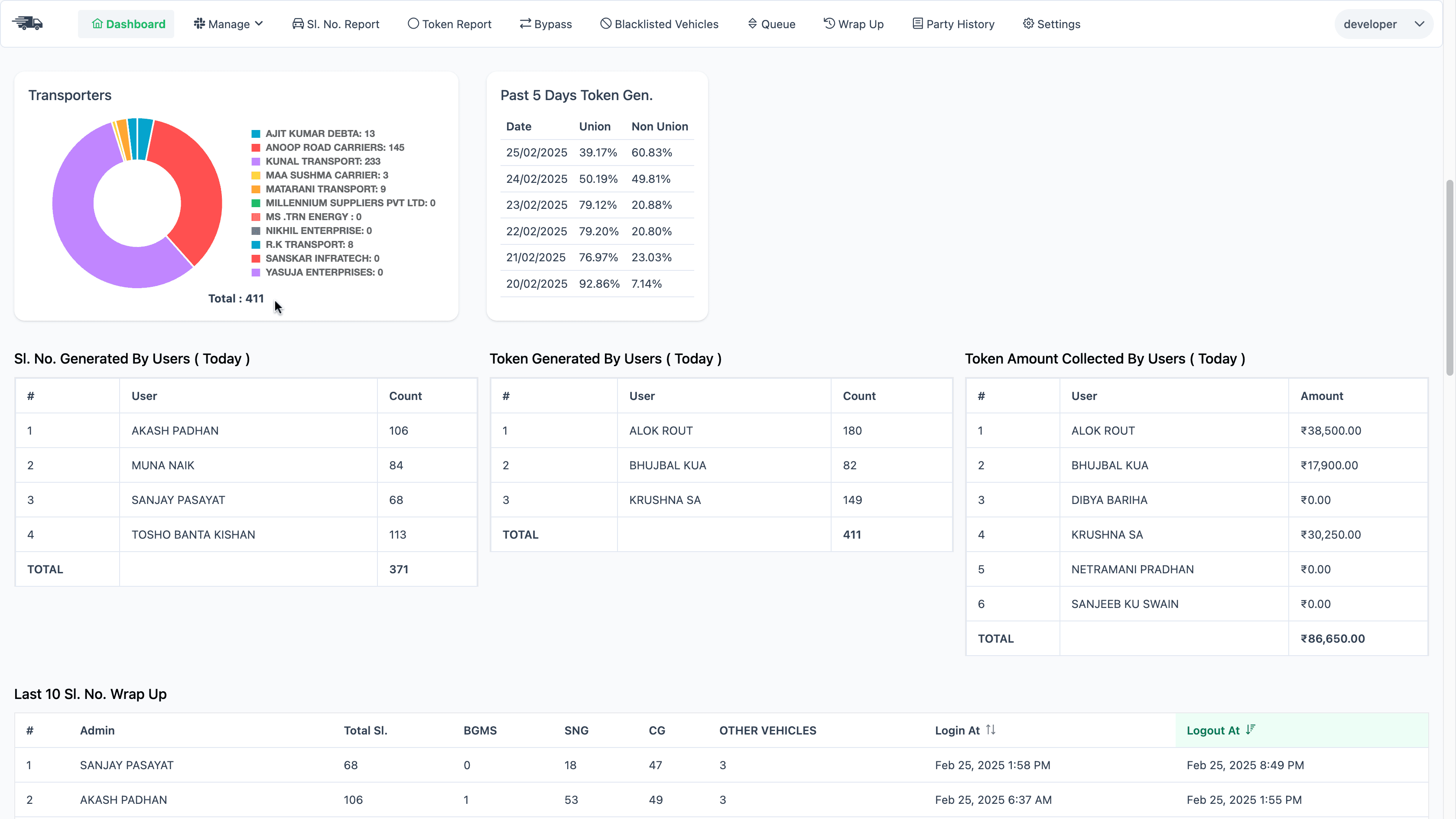
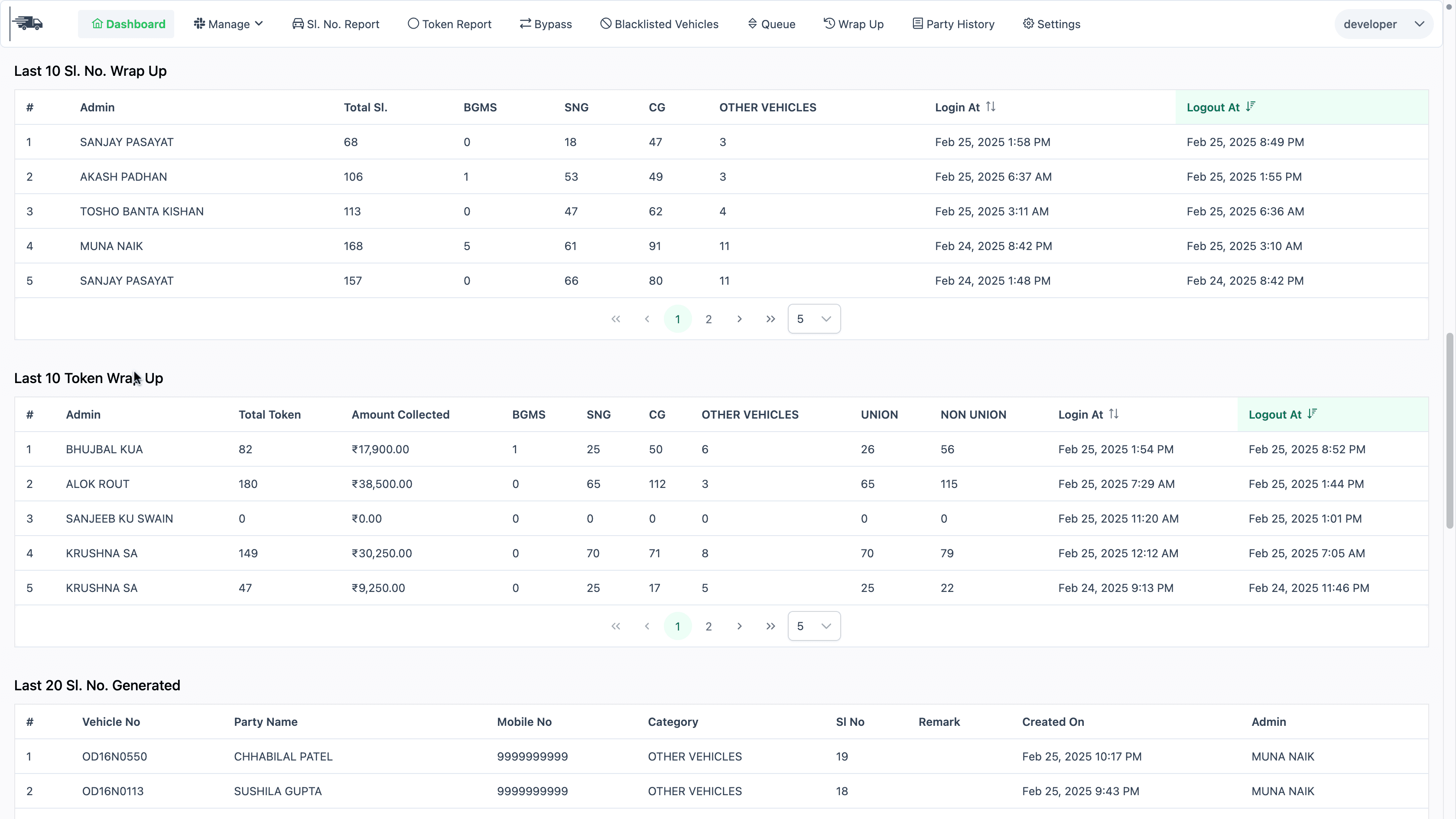
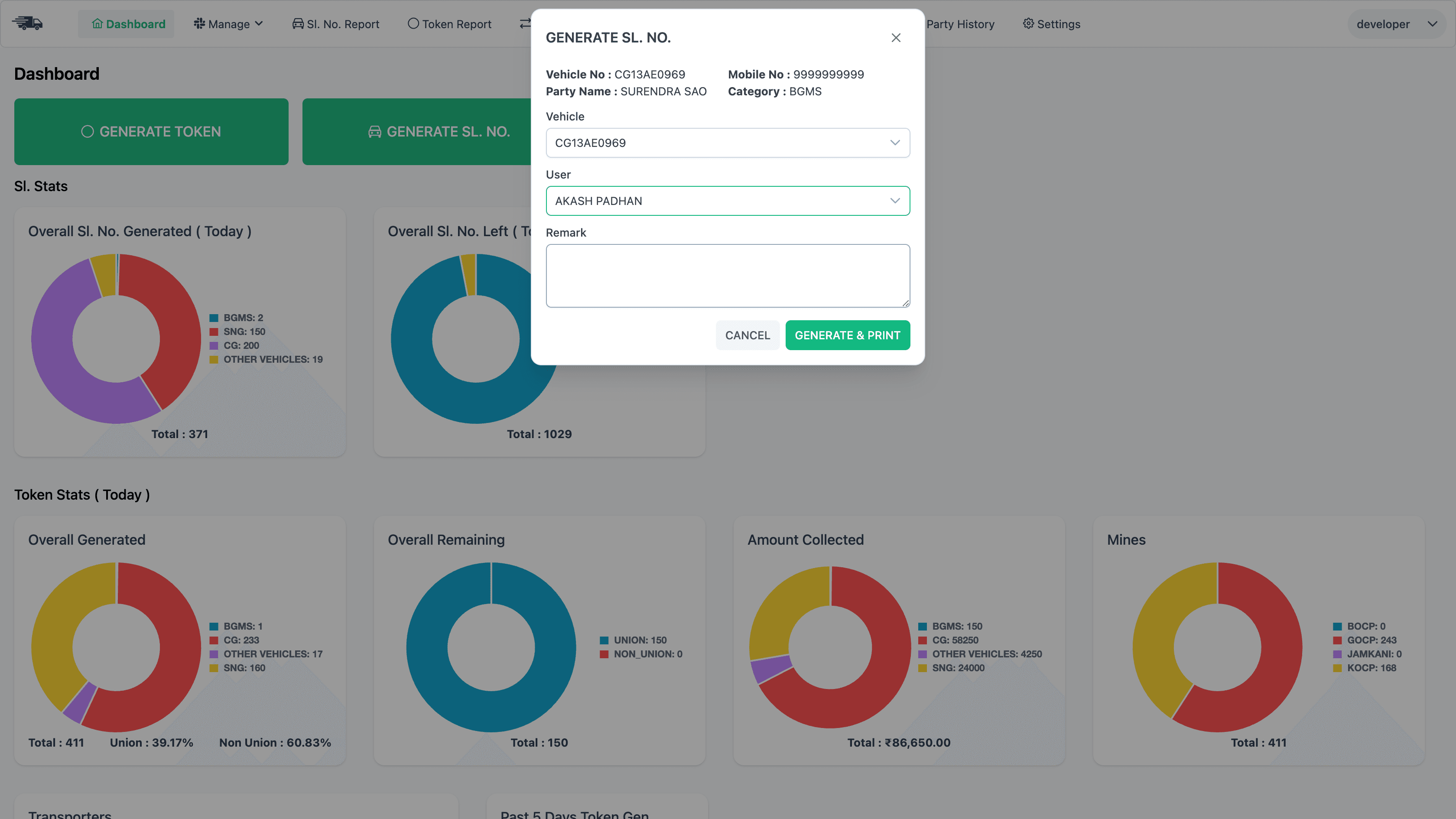
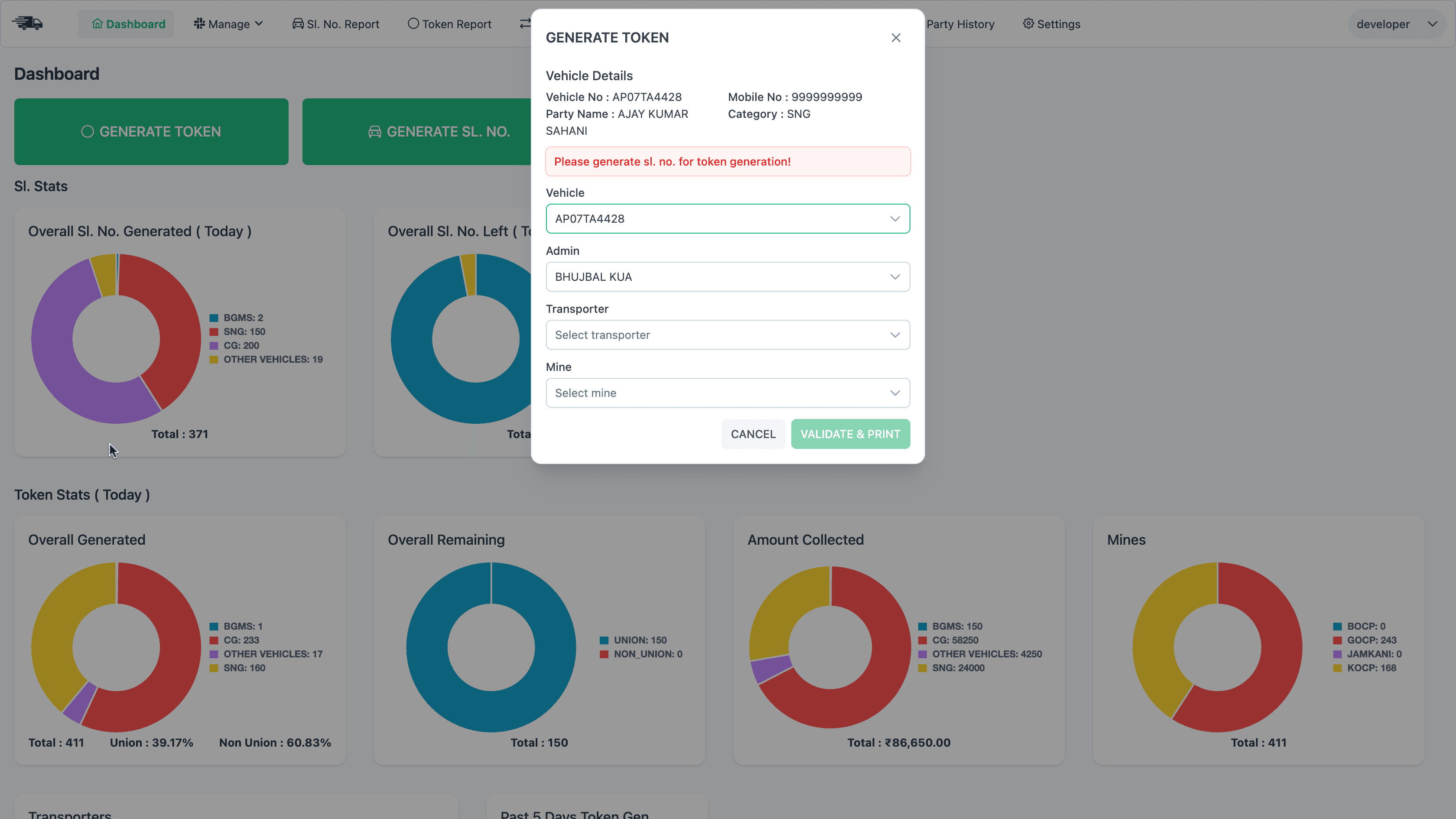
Comprehensive Dashboard
Real-time operations hub displaying token and serial number statistics alongside quick-access generation forms so operators can act without navigating away.
5 screens
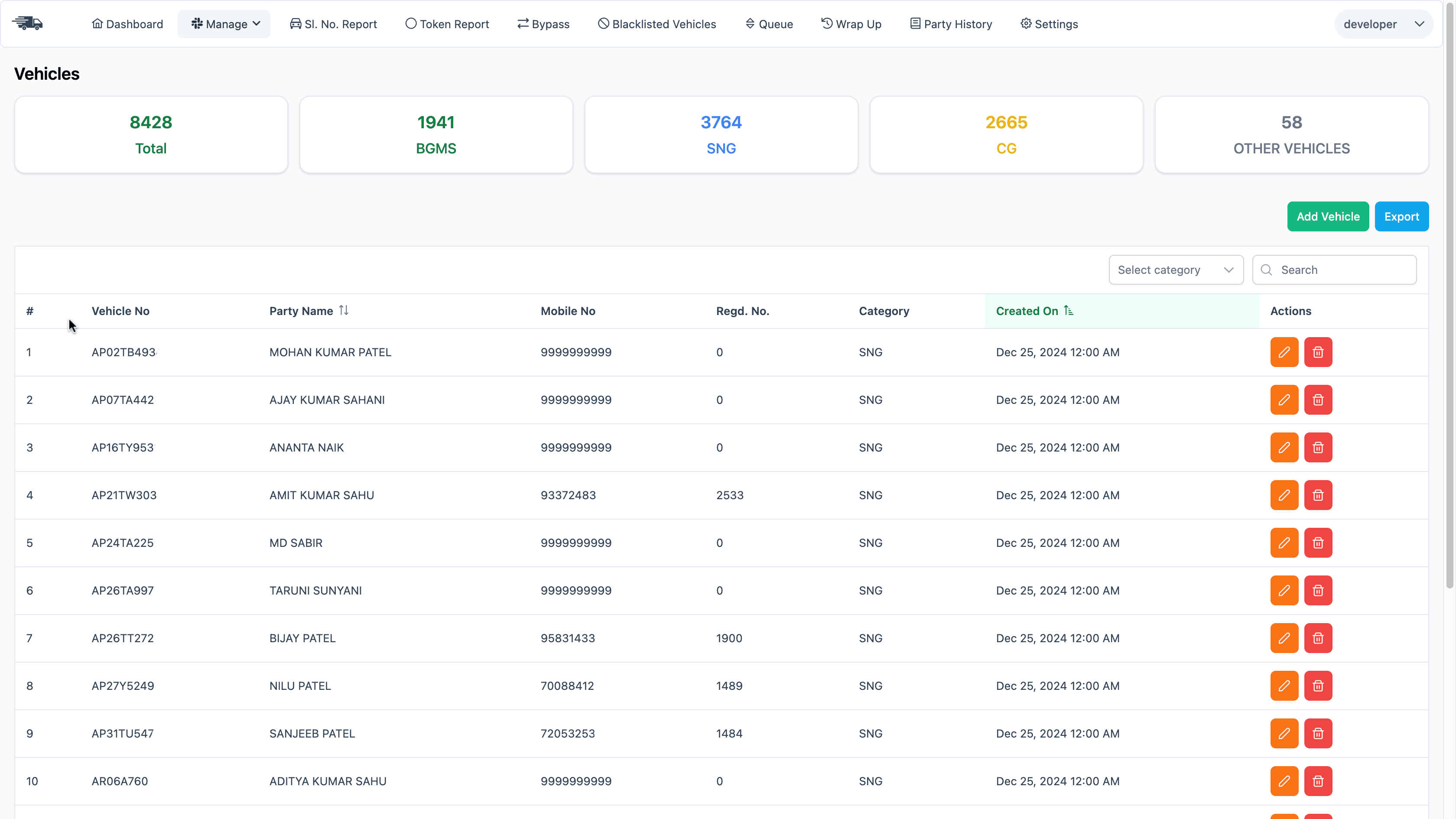
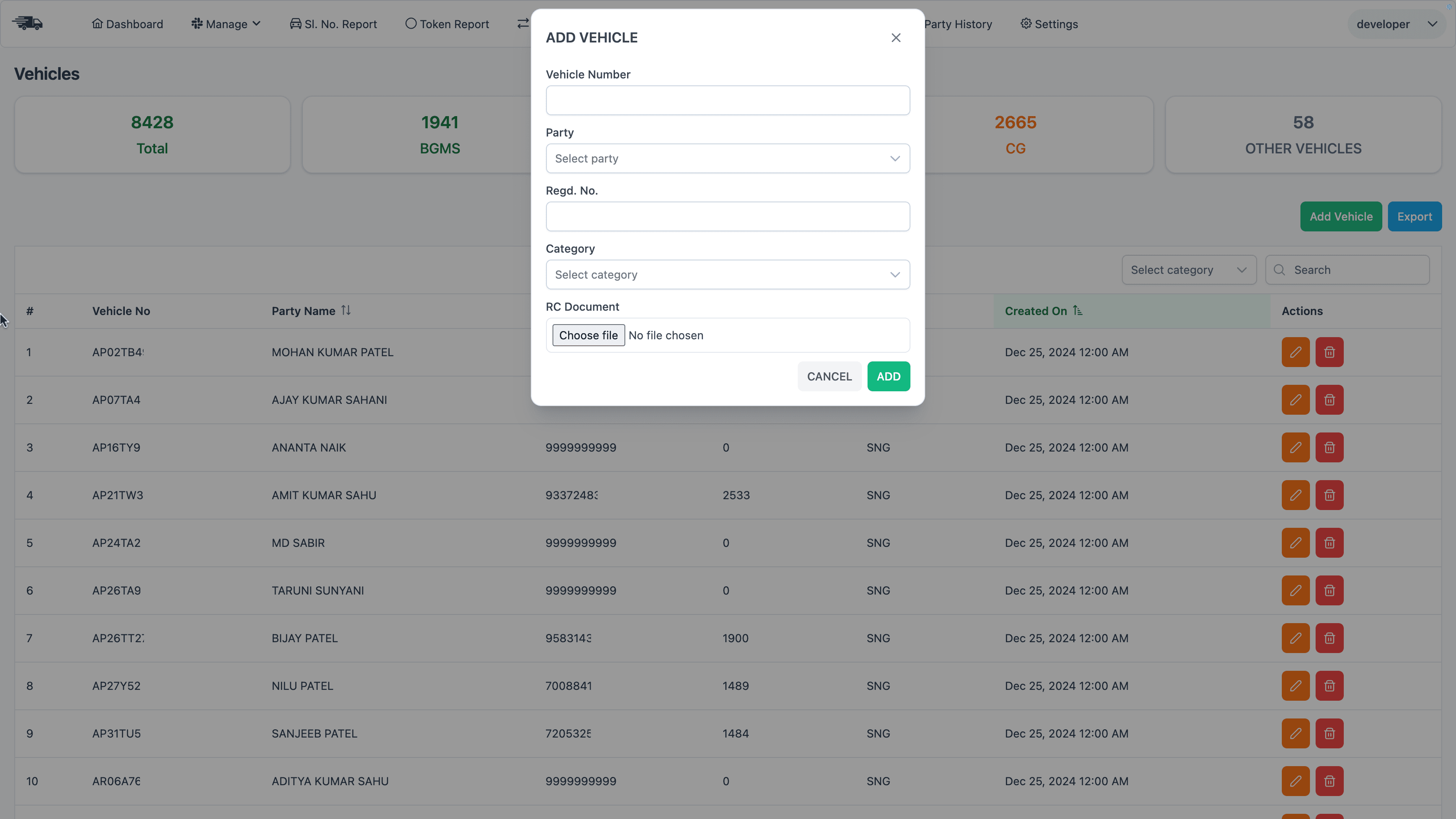
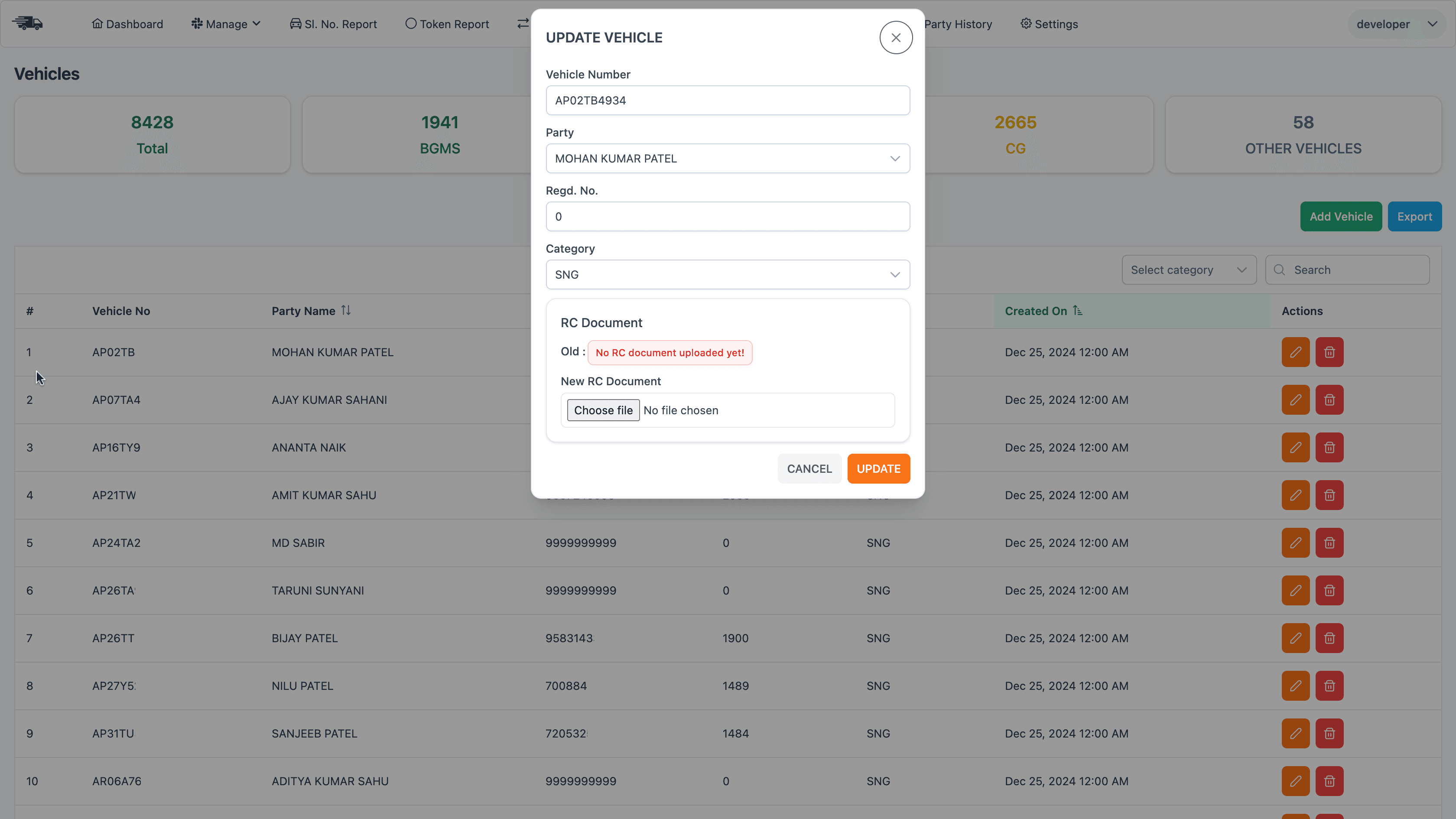
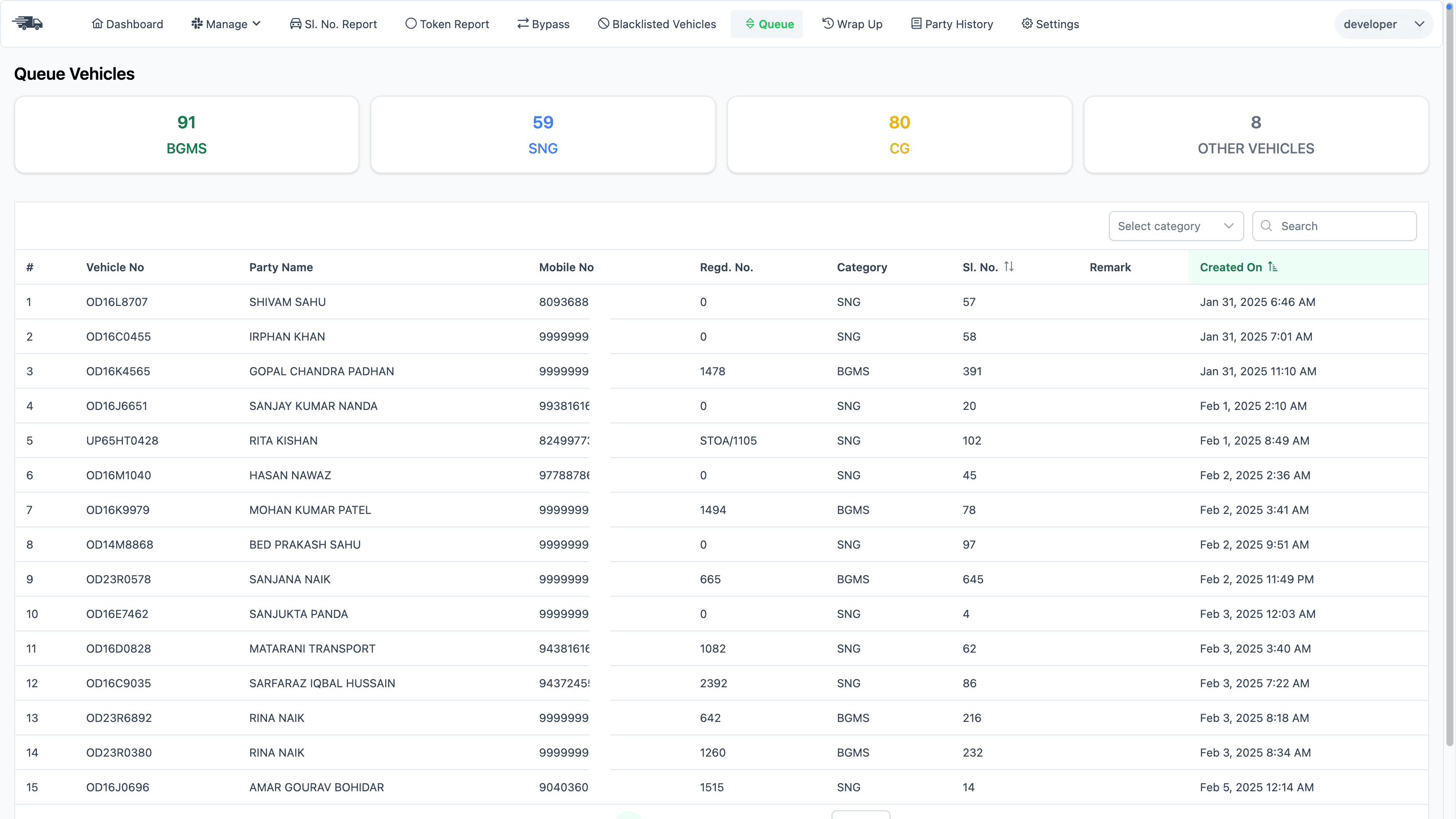
Vehicle Management
Maintains the vehicle registry and manages the token queue so operators can track which vehicles are present and ready for loading.
4 screens
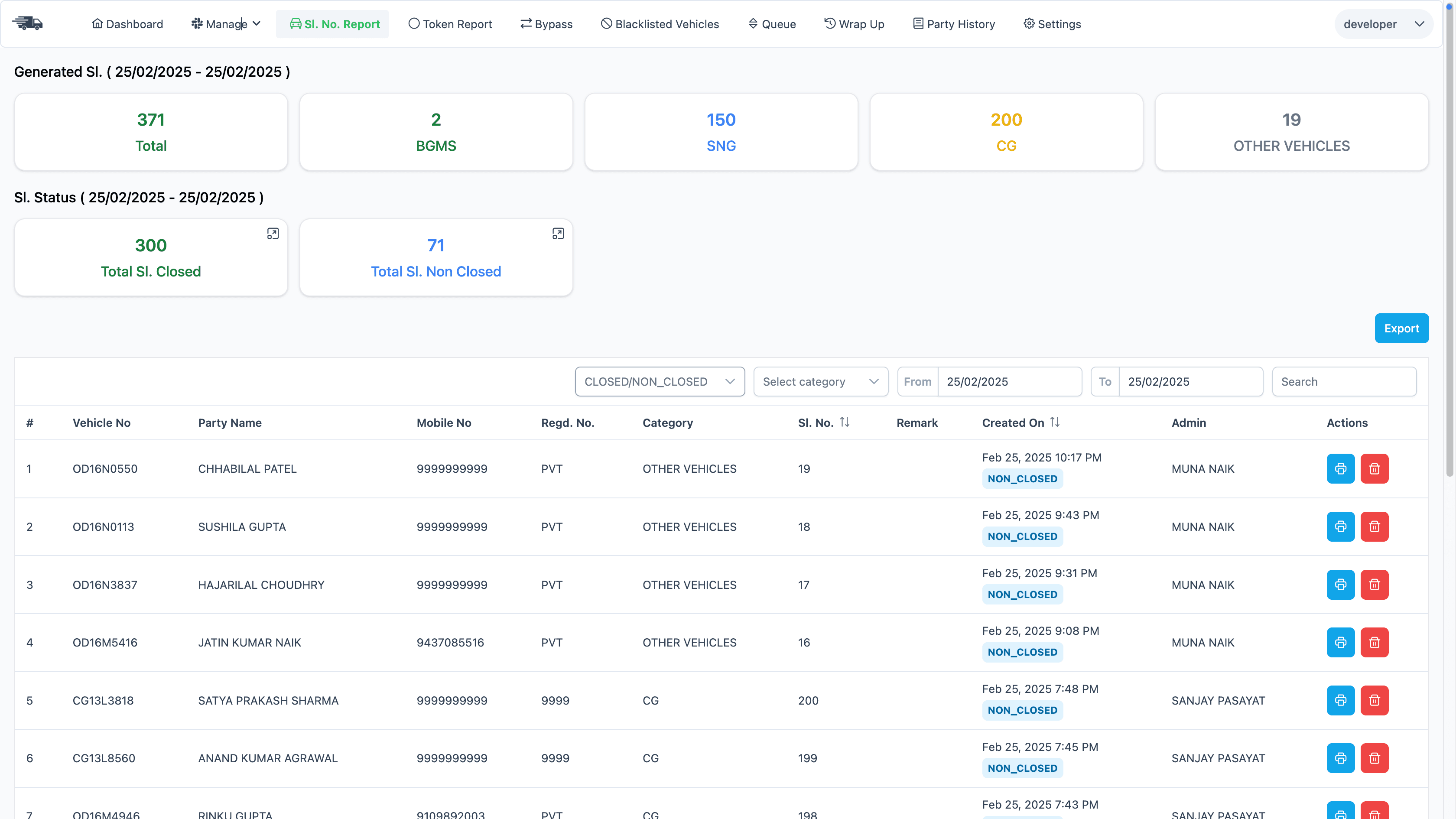
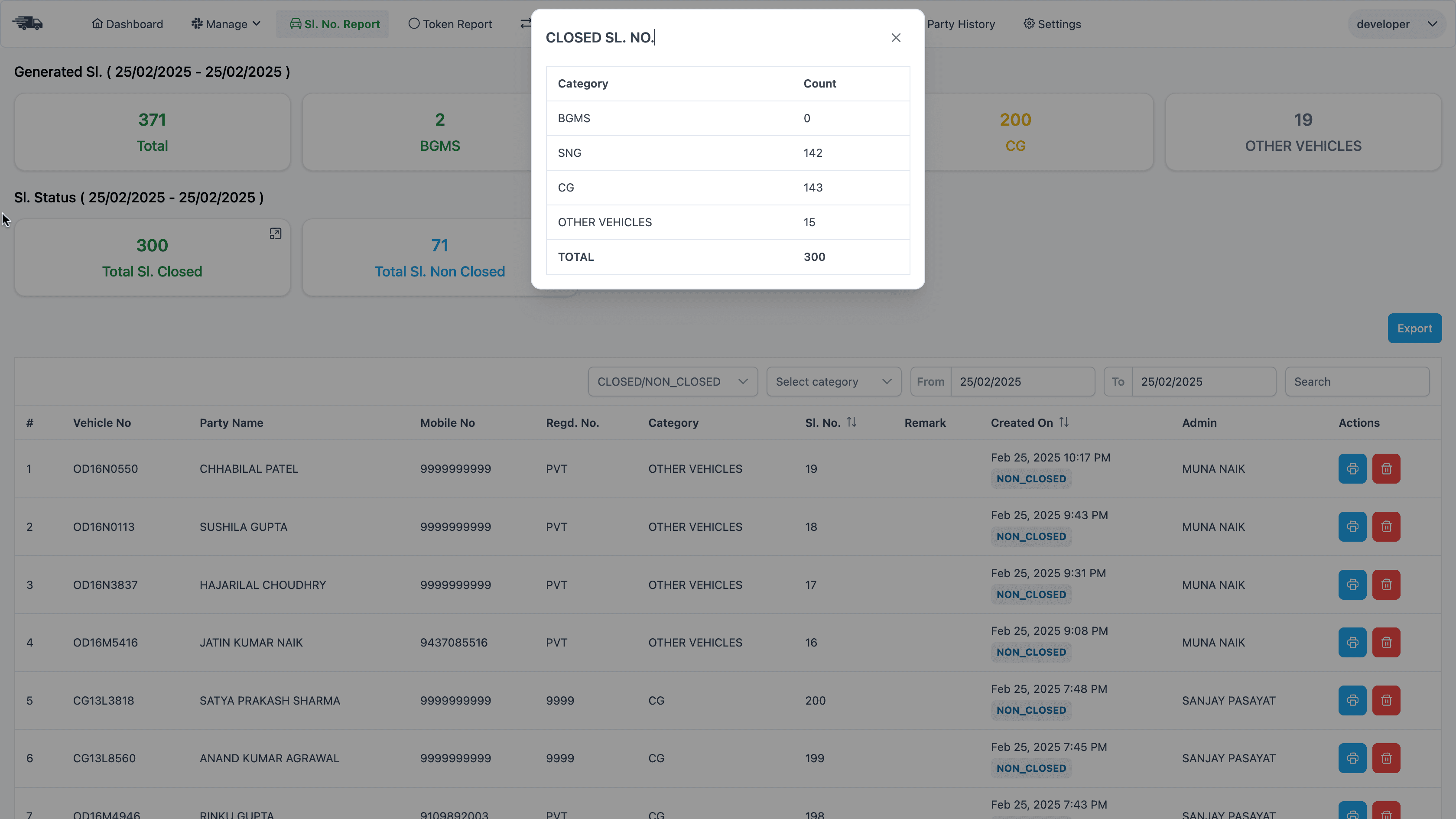
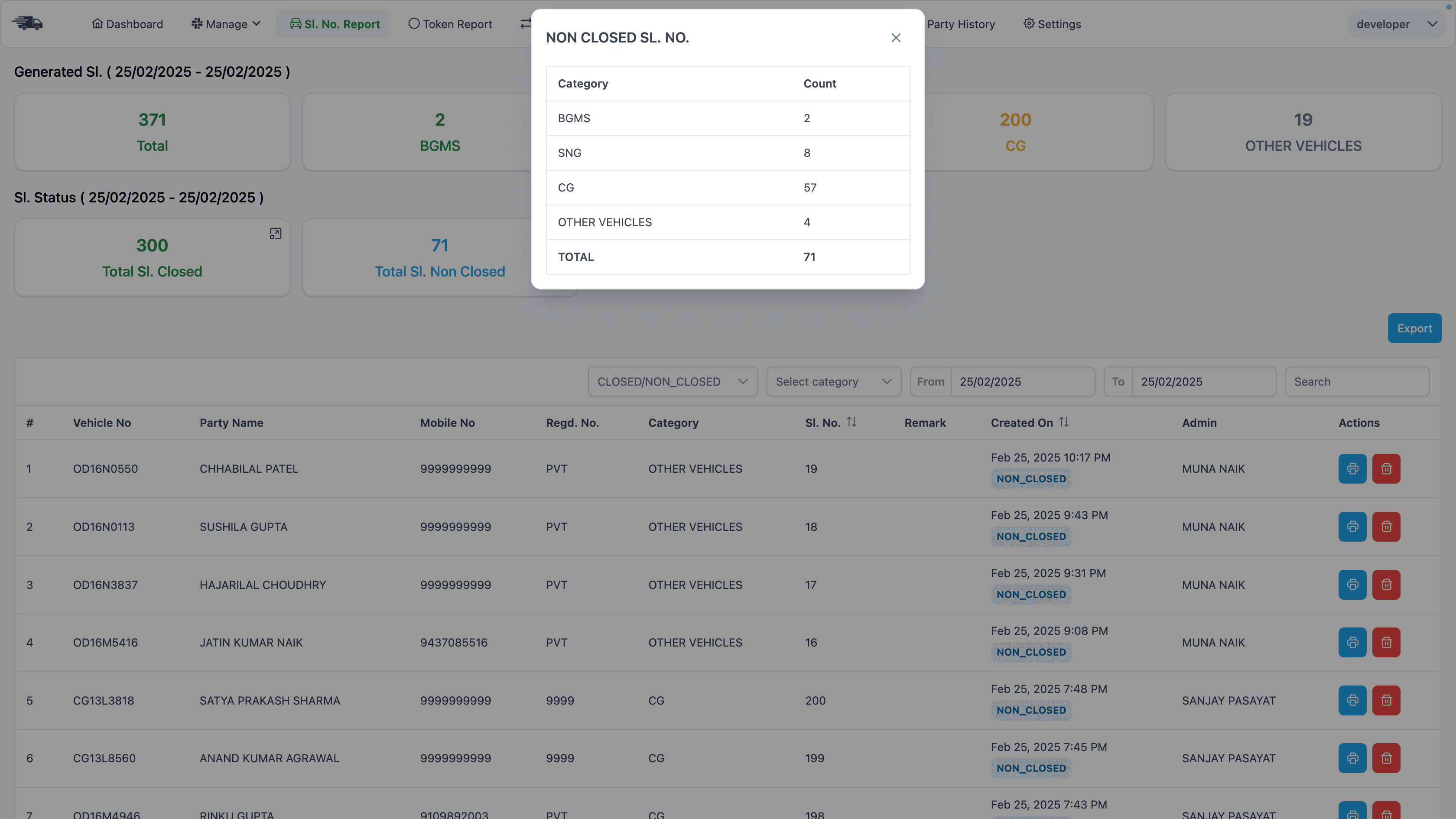
Serial number generation reports
Provides filterable reports on all serial number activity so supervisors can audit completed and pending entries across any date range.
3 screens
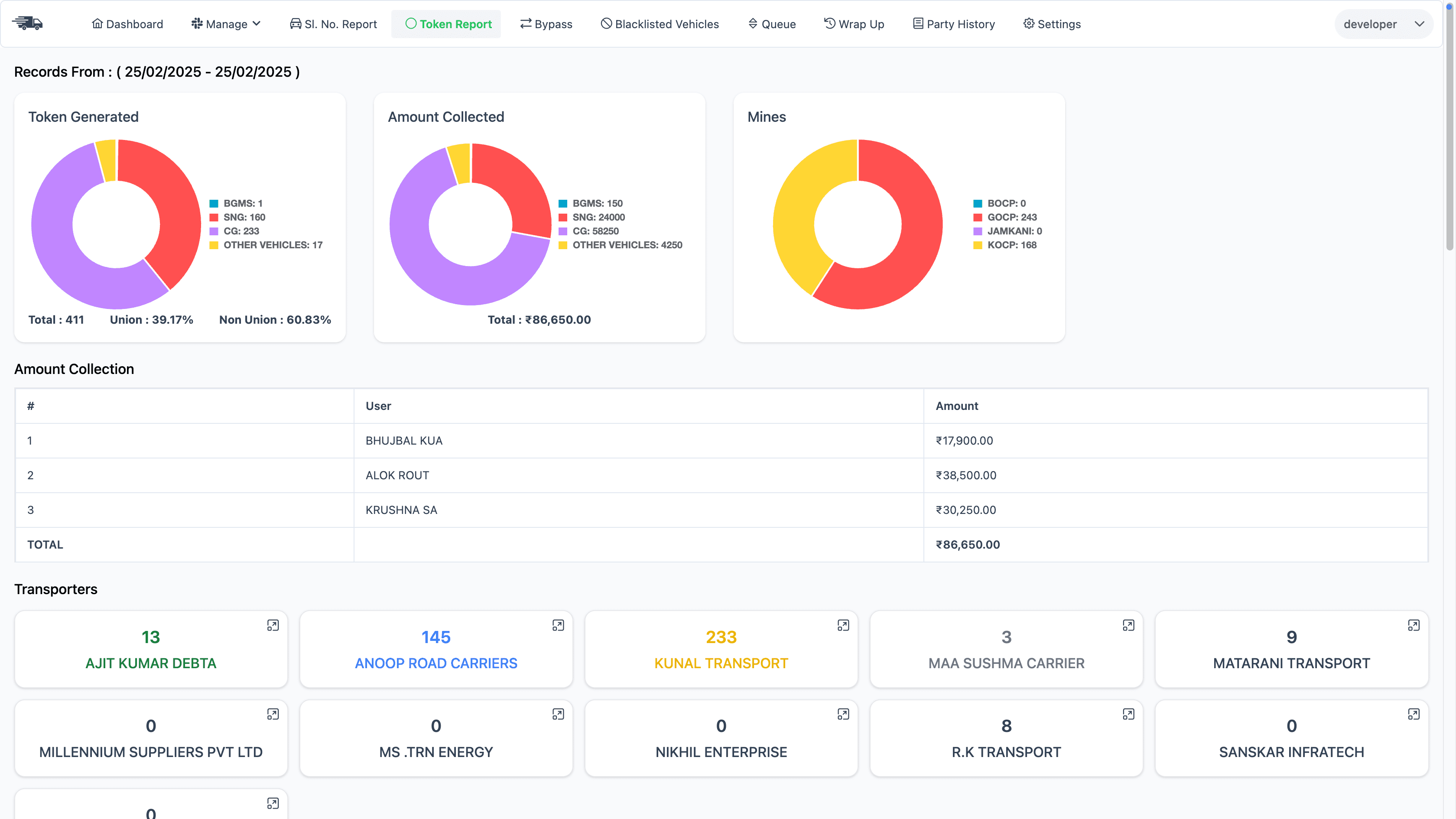
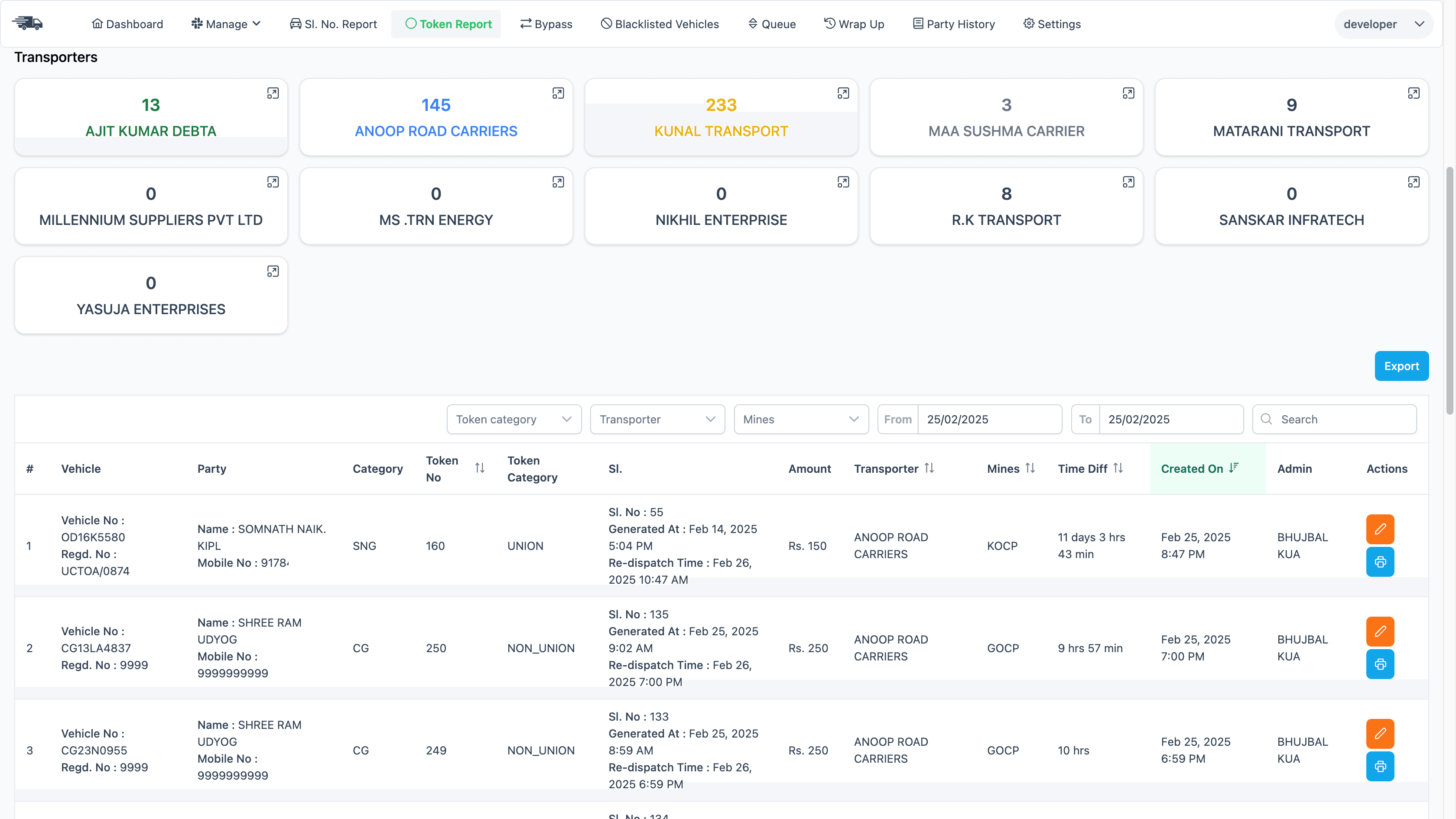
Token generation reports
Detailed reports on token issuance history, exportable as PDF or Excel, so management can review transport throughput over any period.
2 screens
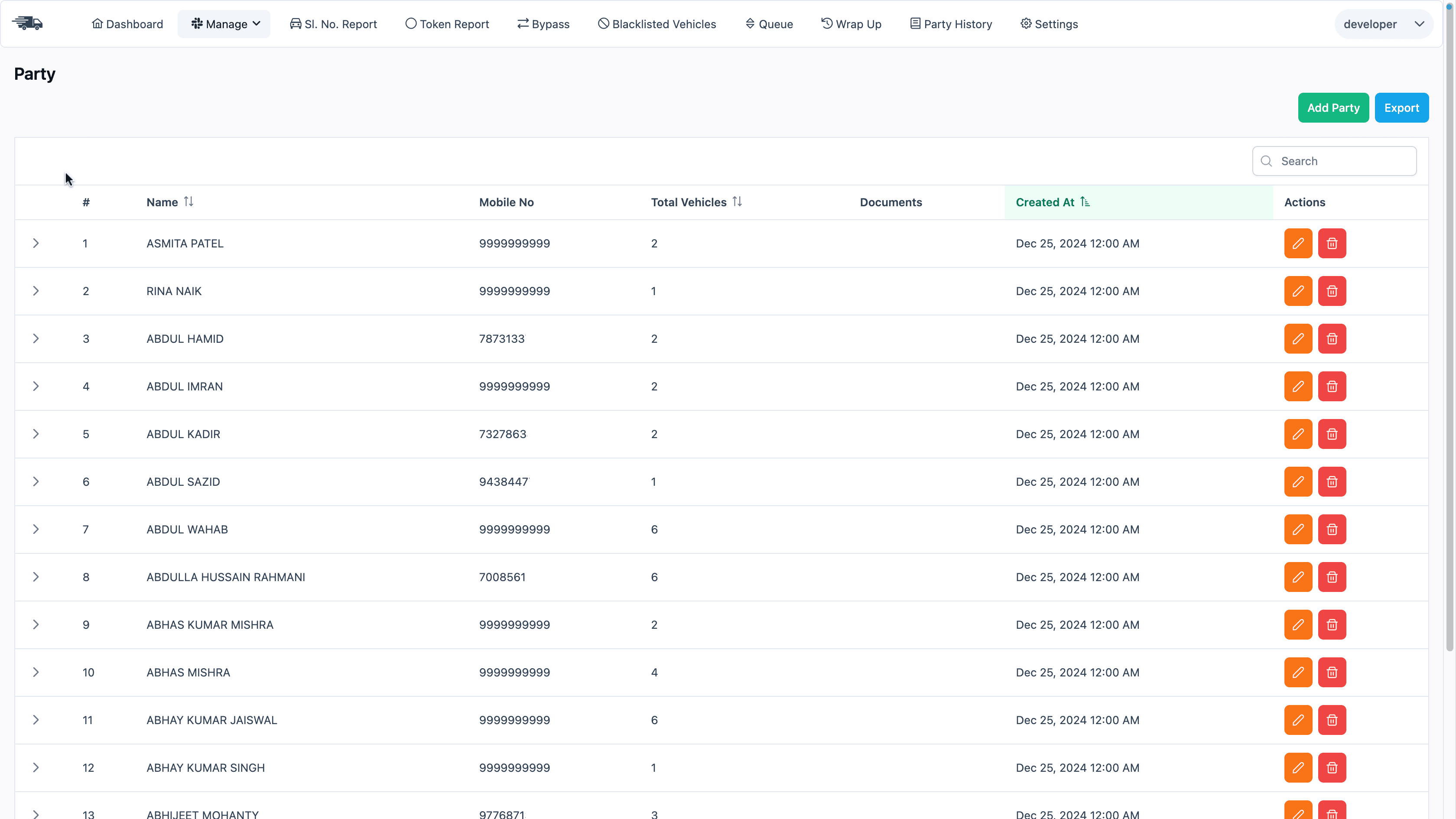
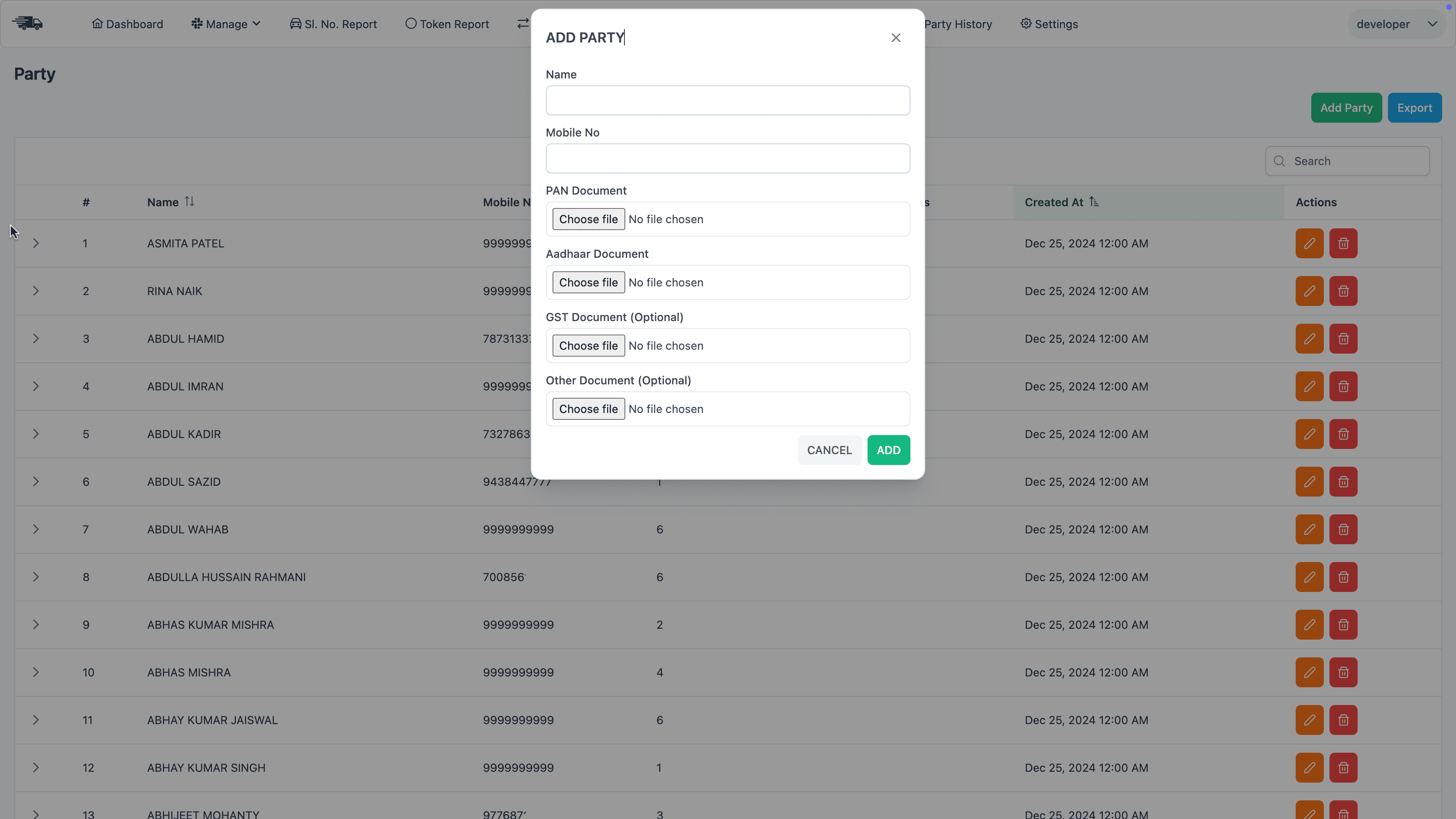
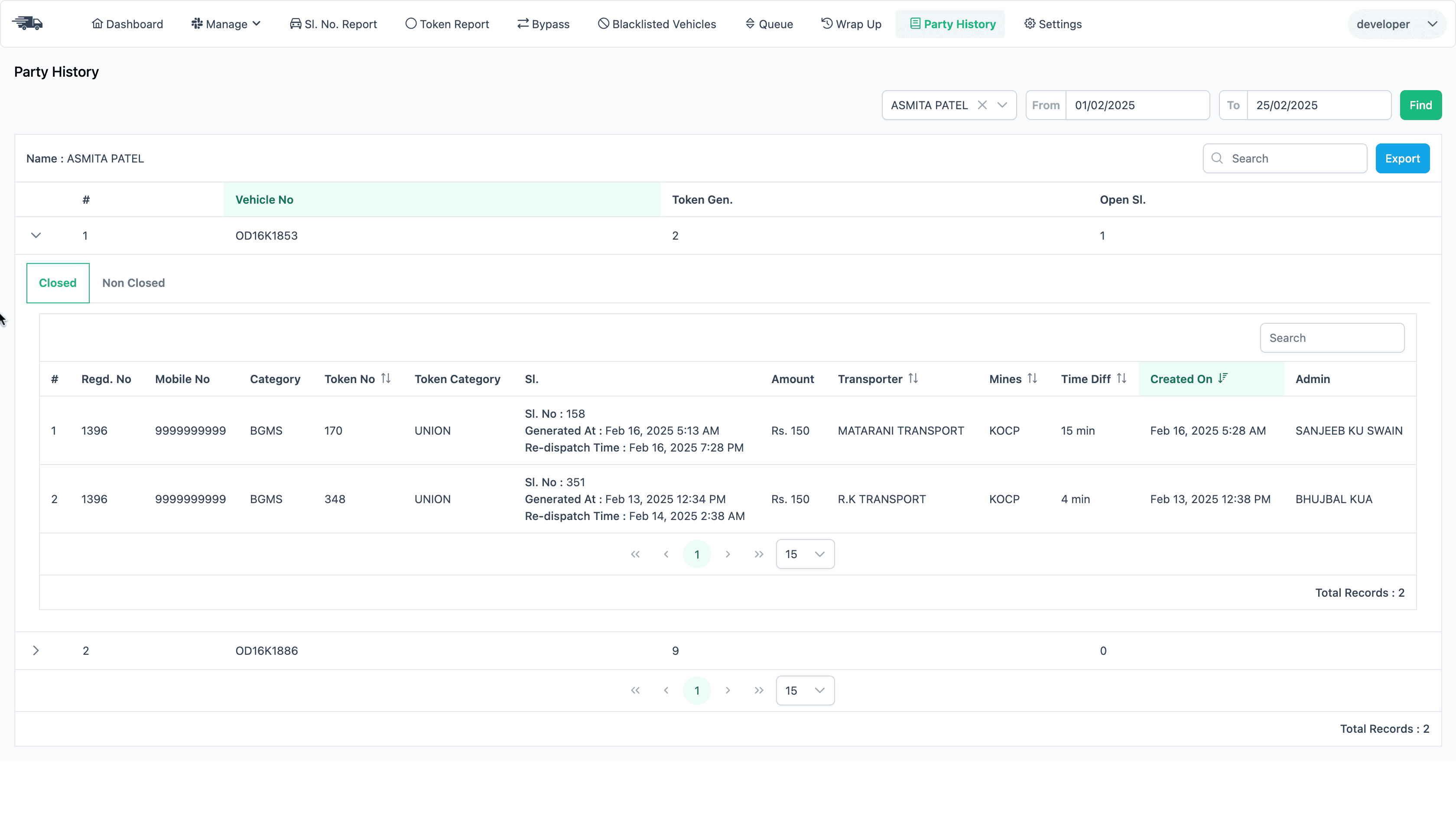
Party management
Maintains profiles for all mining parties and tracks their transaction history so operators can associate serial numbers and tokens to the correct party.
3 screens
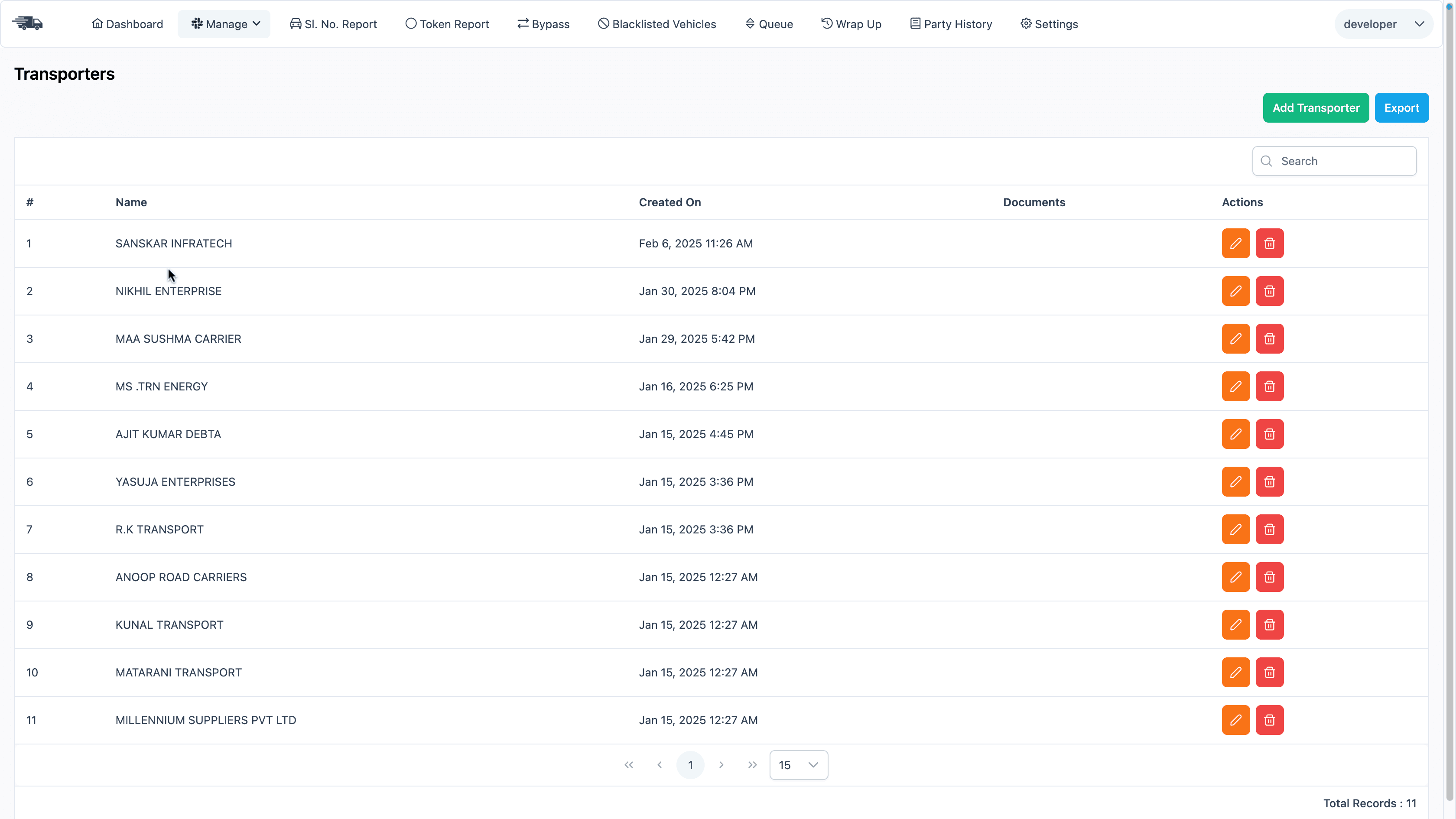
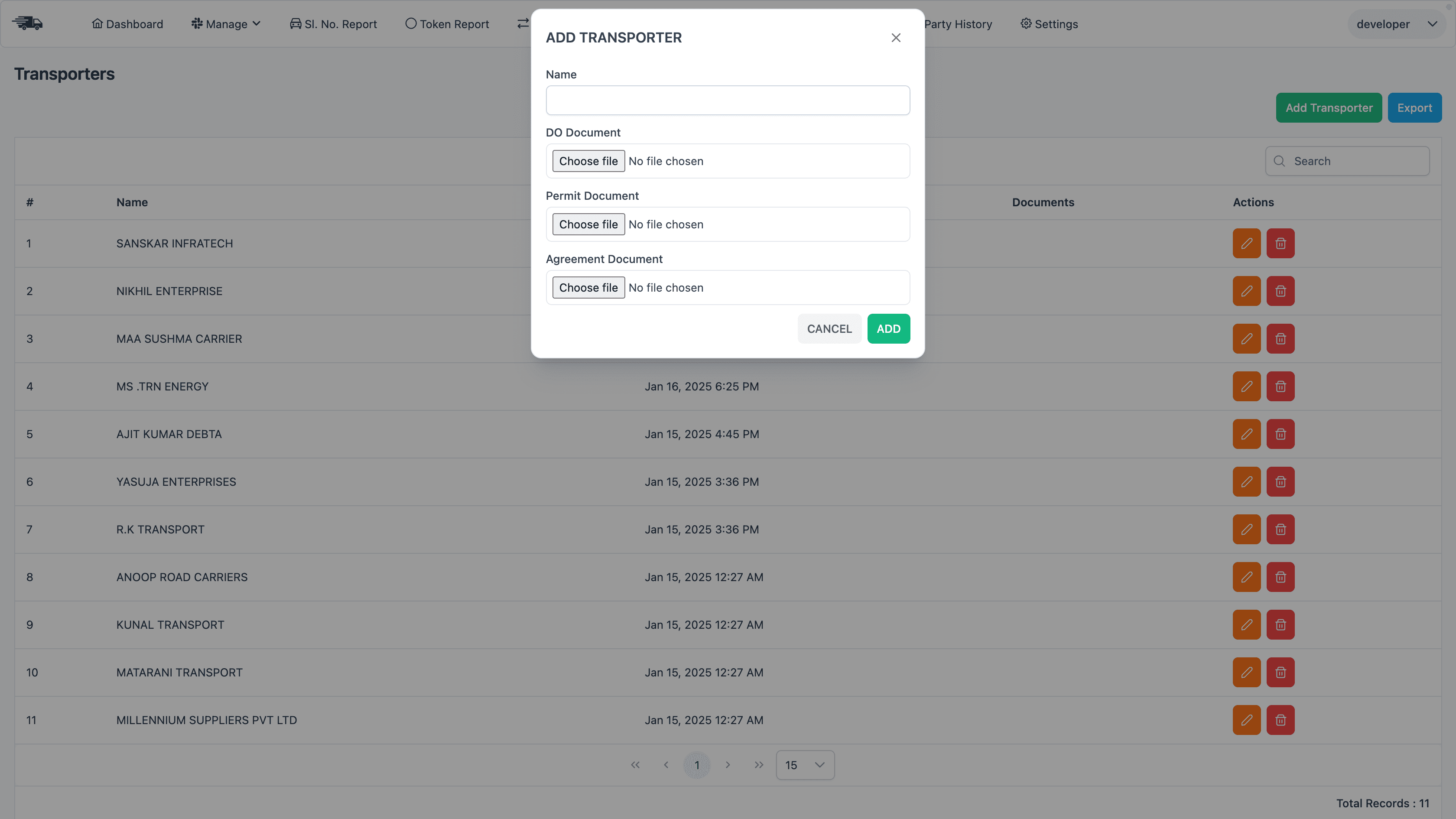
Transporter management
Manages transporter profiles and their associated vehicle fleets so tokens and serial numbers can be correctly attributed to the right transporter.
2 screens
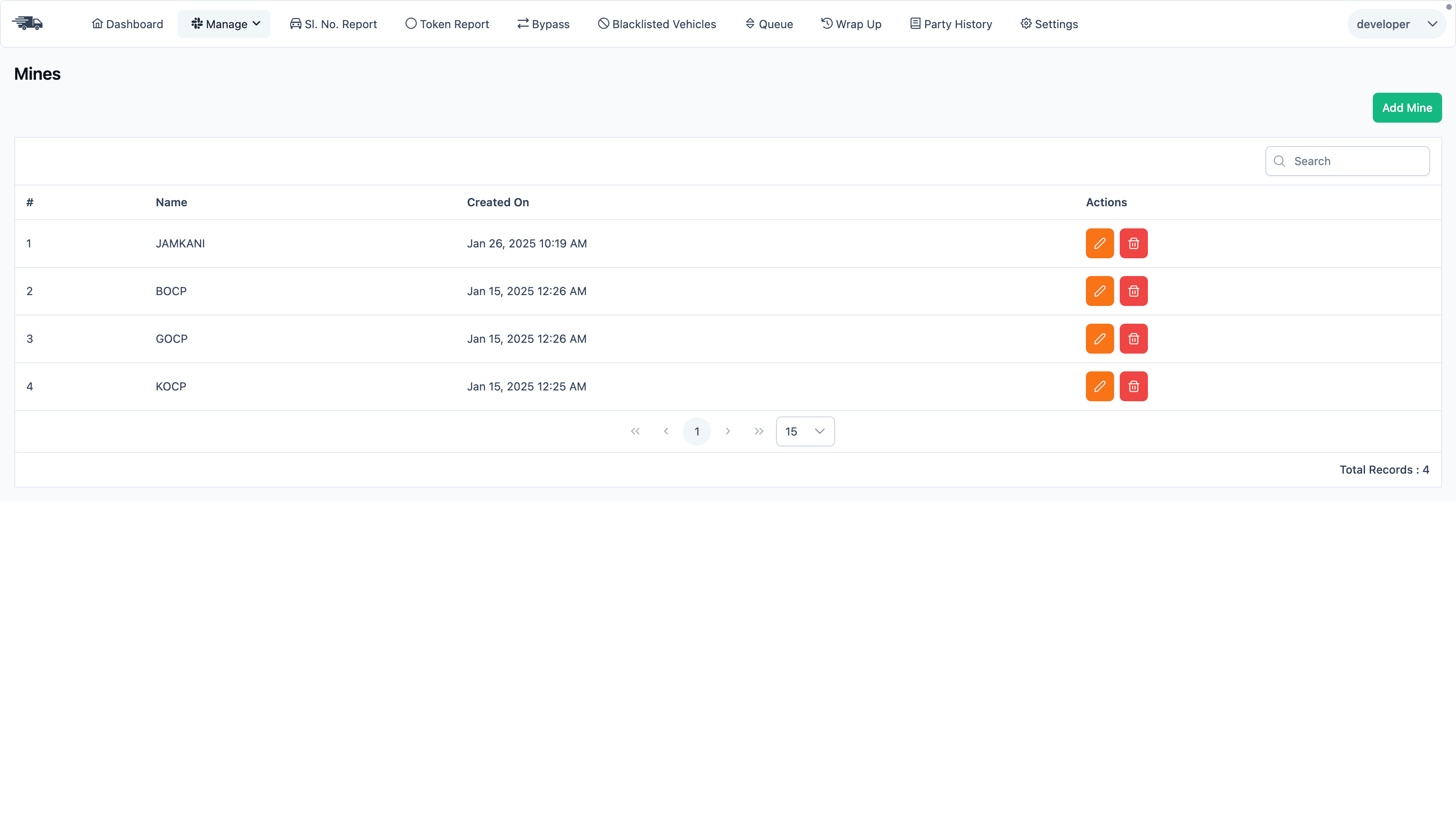
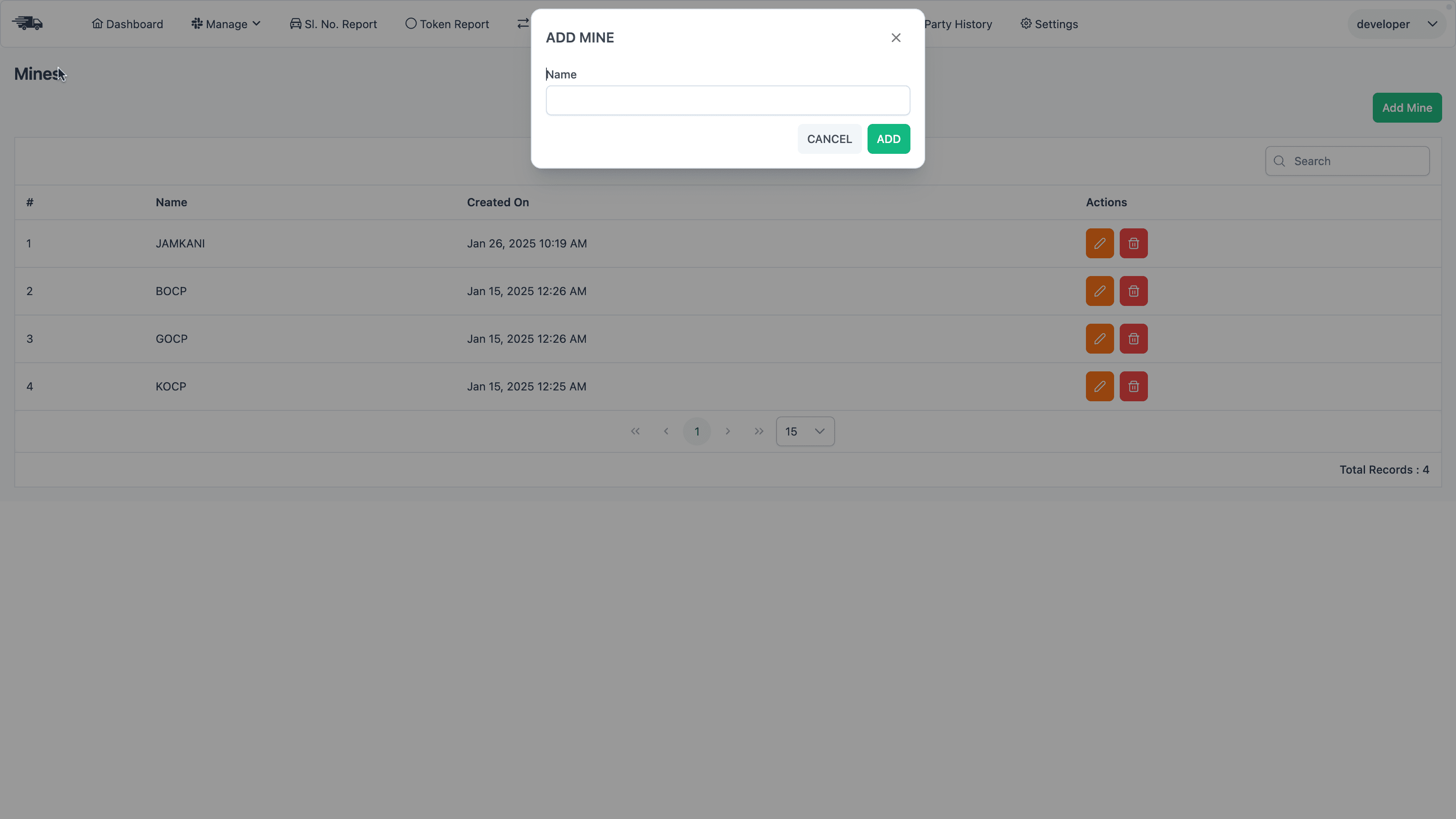
Mines management
Maintains a registry of mine sites so each token and serial number can be linked to the correct source mine for accurate logistics tracking.
2 screens
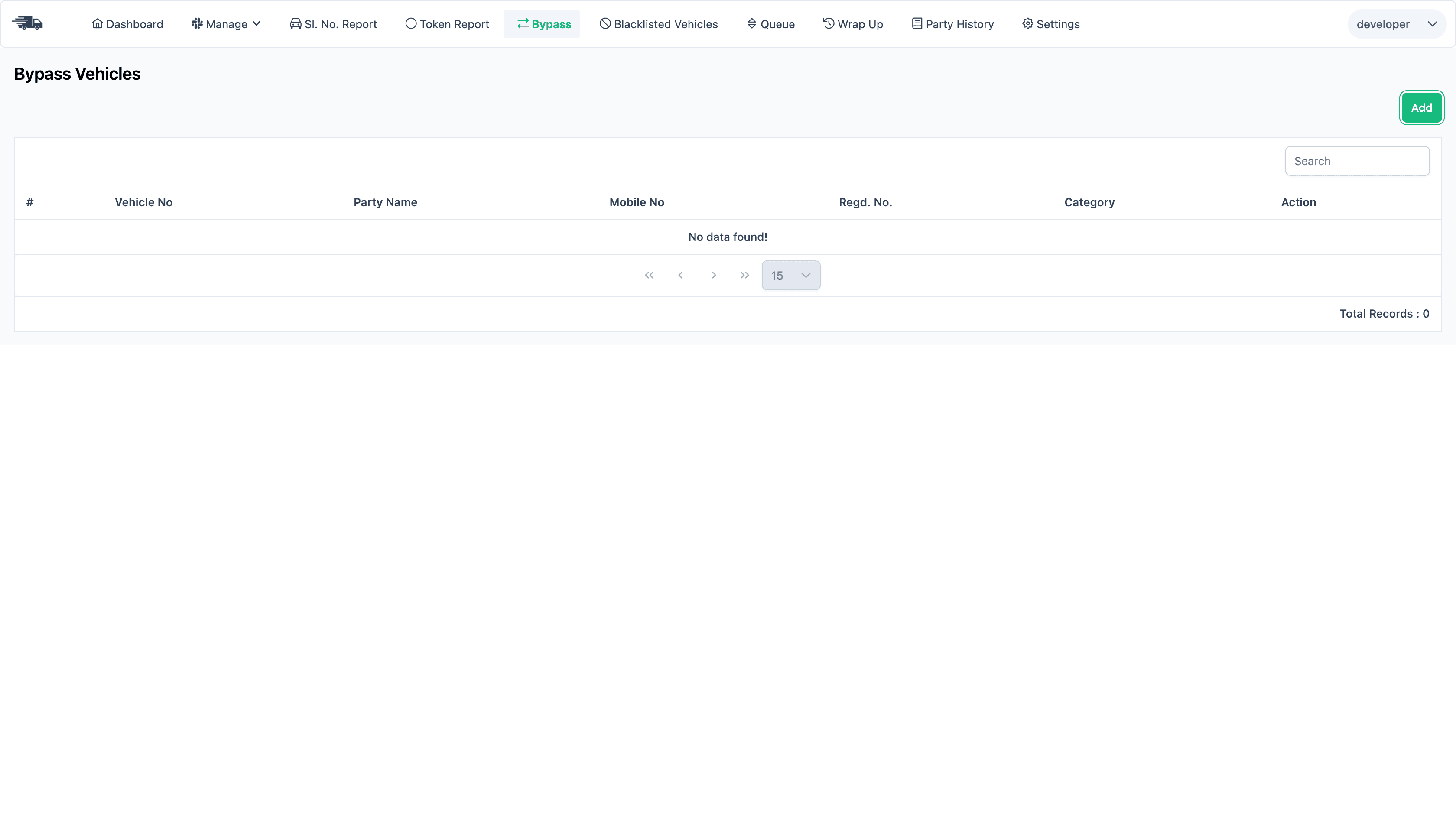
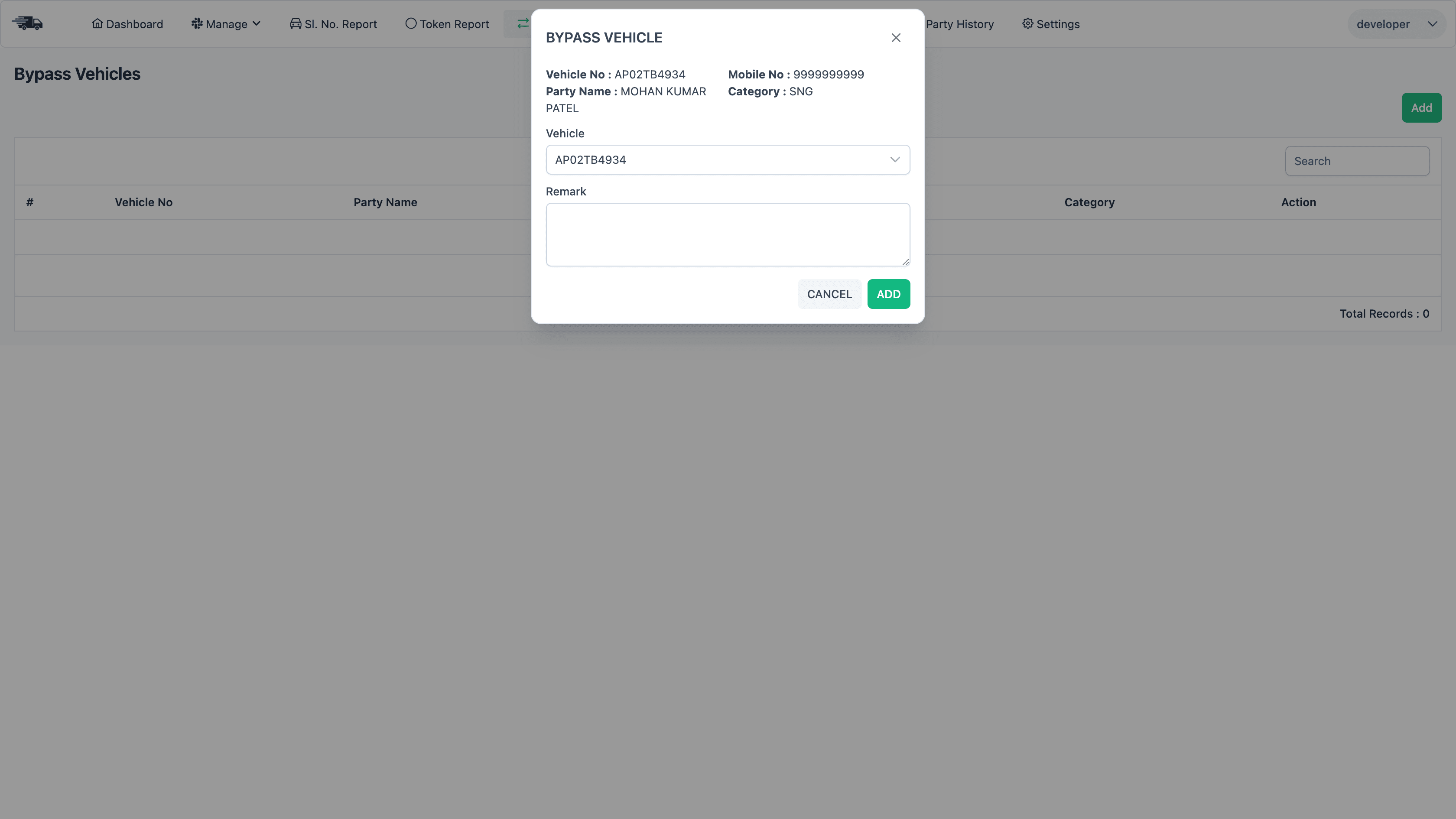
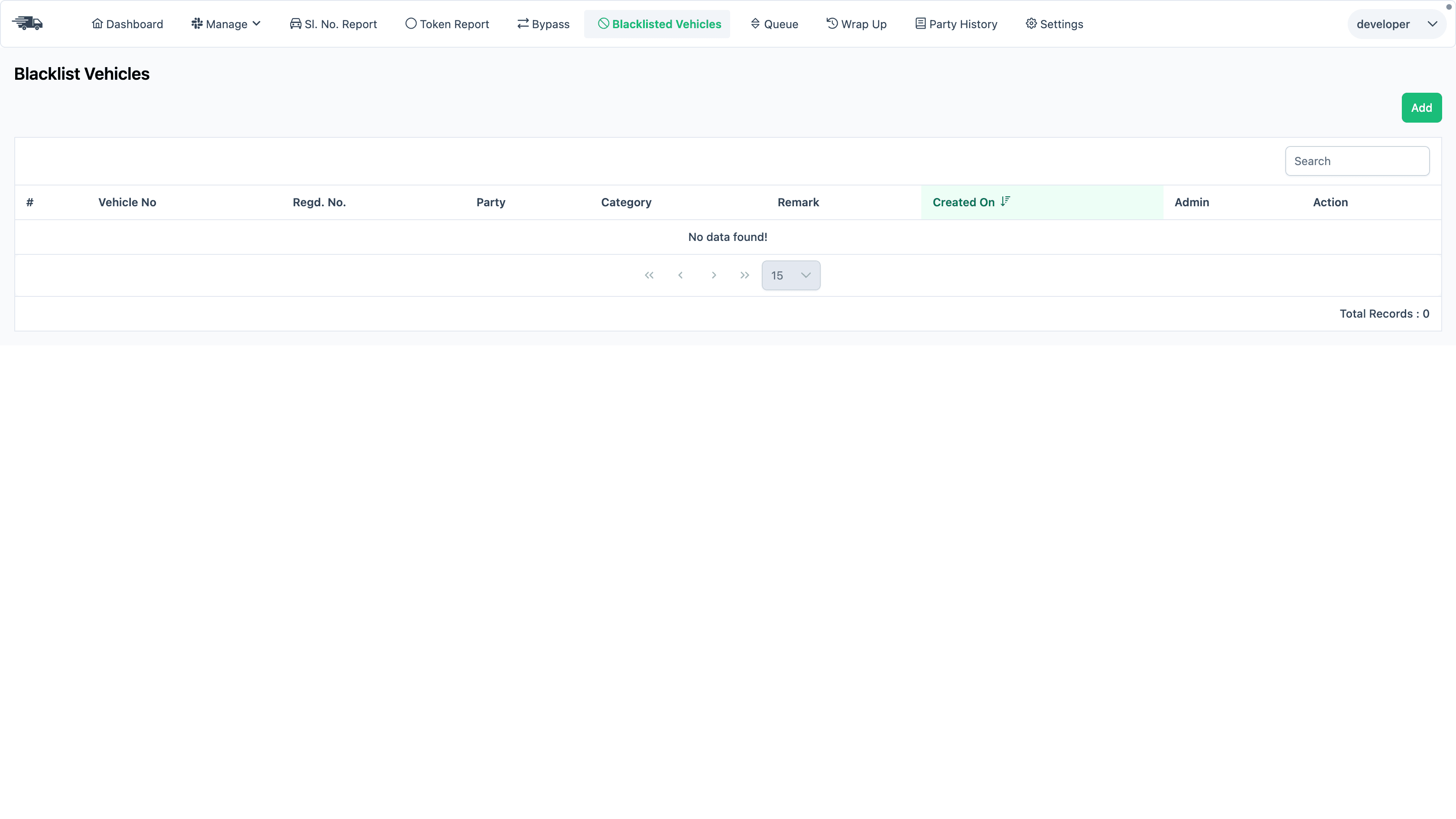
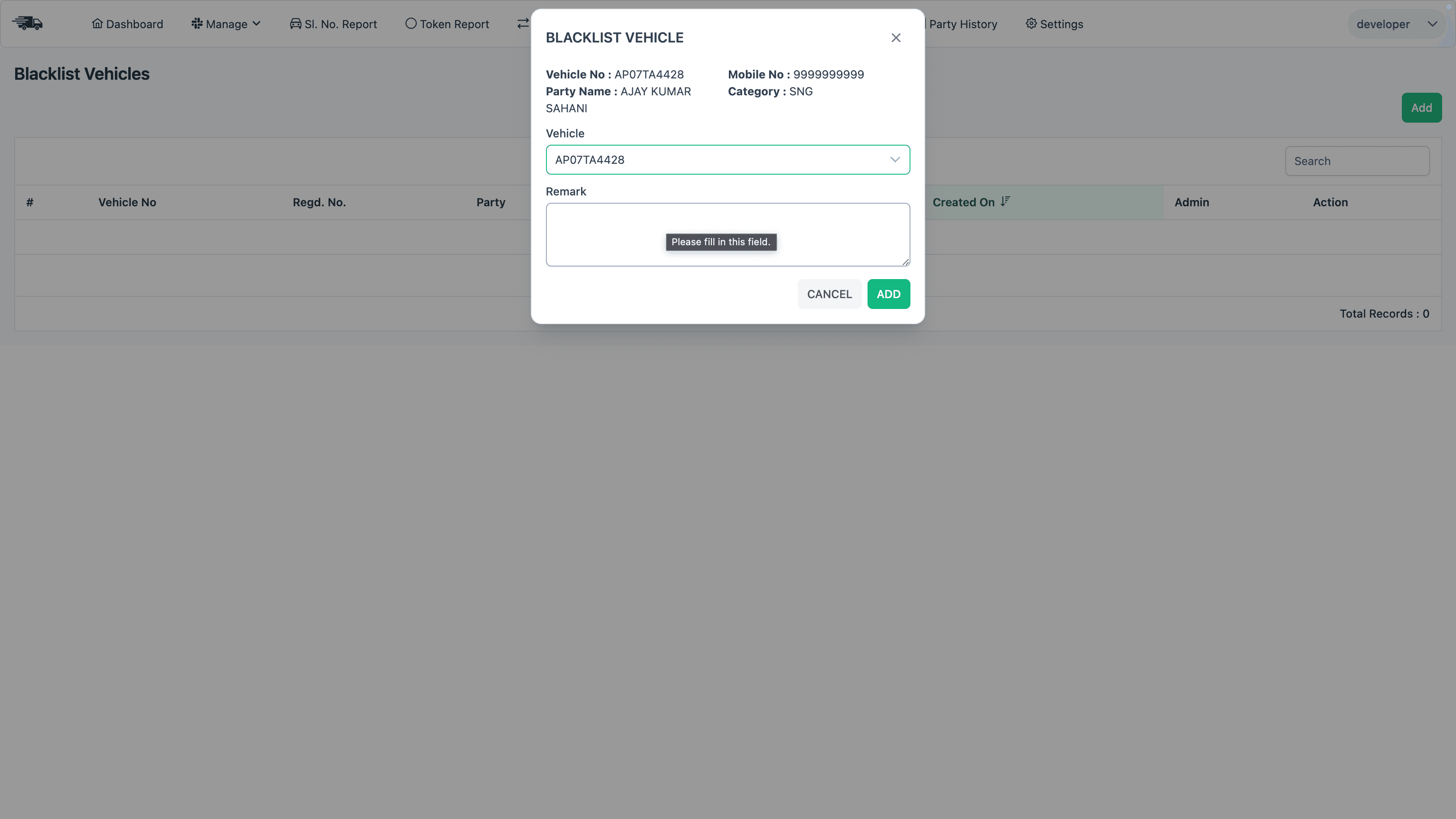
Bypass & blacklist vehicle
Gives operators control to skip a vehicle in the queue temporarily or permanently ban non-compliant vehicles from receiving tokens.
4 screens
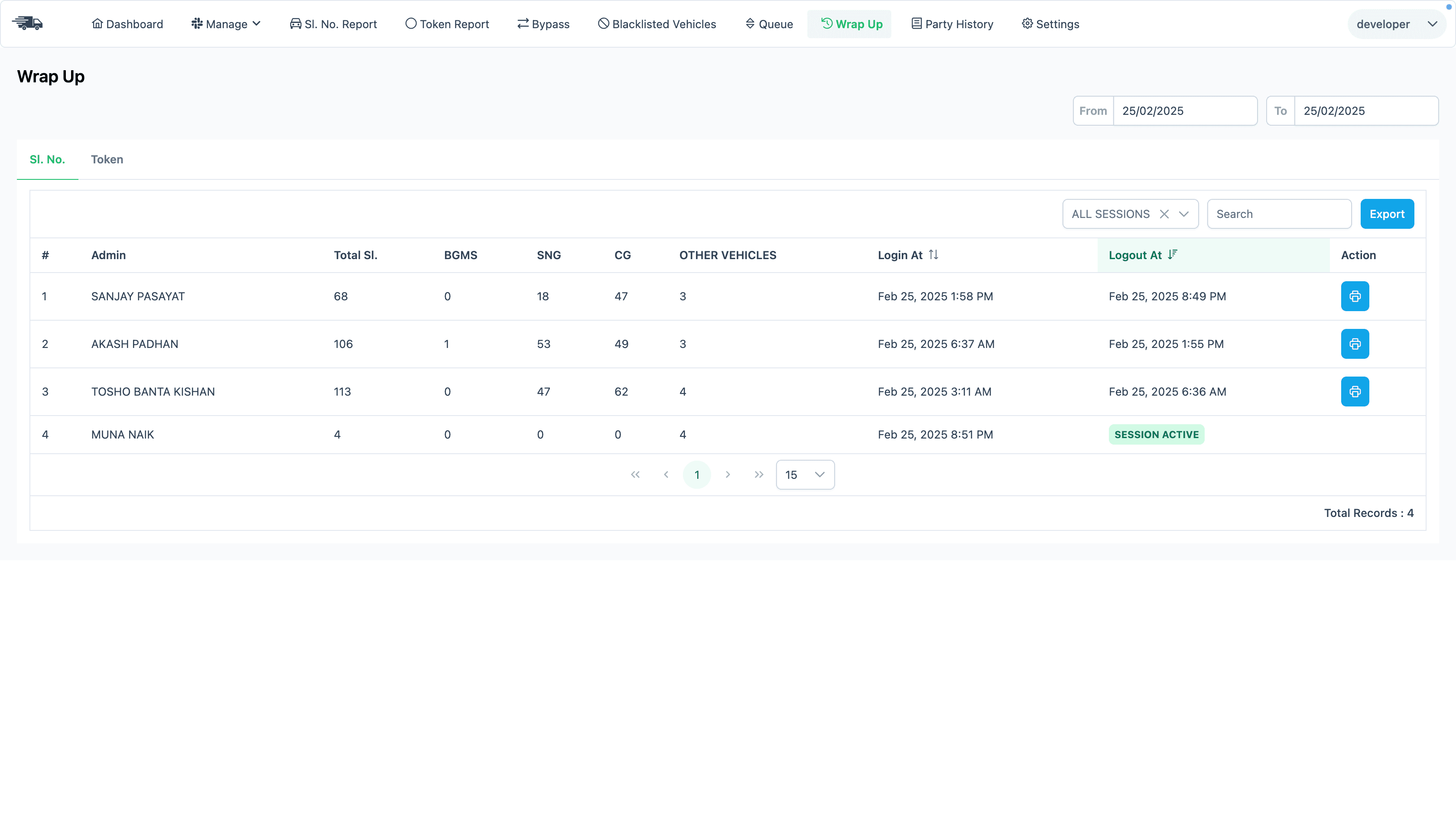
Wrap up report
Generates a session-end summary of all tokens and serial numbers processed by each operator, enabling shift handover and daily reconciliation.
1 screen
Calls I had to make.
Every module had a bottleneck behind it. Tap any decision to see the problem, the call I made, and what it changed.
Hundreds of vehicles waited for loading/unloading at mining sites under a paper-based token system, causing long wait times, gate disputes, and inefficient resource allocation.
Built an automated queue management system with digital token generation, real-time vehicle tracking, and a fair allocation order enforcing first-come-first-served with controlled priority overrides.
Cut vehicle wait times by 60%, eliminated queue disputes, and brought transparency to vehicle allocation at the gate.
Now it runs.
The gate went fully digital in six months. Here's what changed, in numbers ops actually feel.
Fleet distribution, token issuance, and serial allocation moved off paper into one platform.
Automated queue and fair first-come-first-served allocation cut wait time at the gate.
Queue, tokens, serial reports, parties, transporters, mines, compliance, and audit — all in one.
Unique token and serial allocation ended the duplication and lost slips of the paper system.
Every token tied to a party, transporter, and mine — so each load maps to who hauled what.
Vehicle blacklisting, bypass controls, and full audit logs closed the gaps for misuse.
From paper tokens and a handwritten queue —
to a single platform that tracks every vehicle, live.
Tools that shipped it.
Each platform layer has its own stack — chosen for the constraints of the surface, not convention.
Frontend
The operations platform every operator runs on.
Backend
The core API powering queues, tokens, and reports.
Data & Infra
Where every record lives and reports are built.
Need a platform
like this?
I build custom platforms end-to-end — from product scoping to production deploy. Let's talk about what you need.